











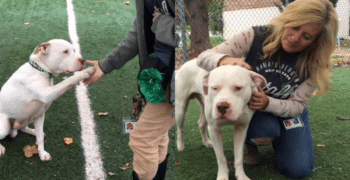





















The Truth Behind Dog Behavior: Understanding Your Furry Friend’s Actions
Dogs have been our loyal companions for thousands of years, providing us with love, loyalty, and companionship. However, understanding their behavior can sometimes be challenging for pet owners. In this article, we will explore the truth behind dog behavior and help you better understand your furry friend’s actions.
Canine Communication: Decoding Your Dog’s Body Language
One of the key ways dogs communicate is through their body language. By observing your dog’s body language, you can better understand their feelings and intentions. For example, a dog wagging its tail is often seen as a sign of happiness and excitement, while a tucked tail may indicate fear or anxiety.
Other body language cues to look out for include ear position, eye contact, and overall posture. By paying attention to these signals, you can better understand what your dog is trying to communicate to you.
The Importance of Socialization: How Early Experiences Shape Your Dog’s Behavior
Early socialization plays a crucial role in shaping a dog’s behavior. Dogs that are properly socialized as puppies are more likely to be well-adjusted, confident, and friendly towards people and other animals. On the other hand, dogs that are not properly socialized may exhibit fear, aggression, and other behavioral issues.
It is important to expose your dog to a variety of people, animals, and environments from a young age to help them develop positive social skills. This can help prevent behavioral issues down the line and ensure that your dog is happy and well-adjusted.
Understanding Aggression: Dealing with Aggressive Behaviors in Dogs
Aggression is a common behavior problem in dogs and can be caused by a variety of factors, including fear, anxiety, and territoriality. It is important to understand the root cause of your dog’s aggression in order to address it effectively.
If your dog displays aggressive behaviors, it is important to seek the help of a professional trainer or behaviorist. They can help you understand the underlying causes of your dog’s aggression and provide you with strategies to manage and correct this behavior.
Separation Anxiety: Recognizing and Addressing Your Dog’s Anxiety
Separation anxiety is a common issue for many dogs and can manifest in behaviors such as excessive barking, destructive chewing, and house soiling. It is important to recognize the signs of separation anxiety in your dog and address it appropriately.
One way to help alleviate separation anxiety is to create a safe and comfortable environment for your dog while you are away. This may include providing them with a comfortable bed, toys to keep them occupied, and soothing music or white noise to help calm their nerves.
Training Tips: Positive Reinforcement and Effective Communication
Training is an essential part of owning a dog and can help to prevent behavioral issues and strengthen the bond between you and your furry friend. Positive reinforcement, such as treats, praise, and playtime, is an effective way to train your dog and encourage good behavior.
Effective communication is also key to successful training. By using clear and consistent commands, body language, and rewards, you can effectively communicate with your dog and help them understand what is expected of them.
Conclusion
Understanding your dog’s behavior is essential for building a strong and healthy relationship with your furry friend. By observing their body language, socializing them early, addressing aggression and anxiety, and using positive reinforcement training techniques, you can help your dog live a happy and fulfilling life.
Remember, every dog is unique and may have their own quirks and behaviors. By taking the time to understand your dog and provide them with love, care, and attention, you can ensure that they are happy, healthy, and well-adjusted.
For more information and resources on understanding dog behavior, consult with a professional dog trainer or behaviorist in your area. They can provide you with personalized advice and guidance to help you better understand and address your dog’s behavior.