

























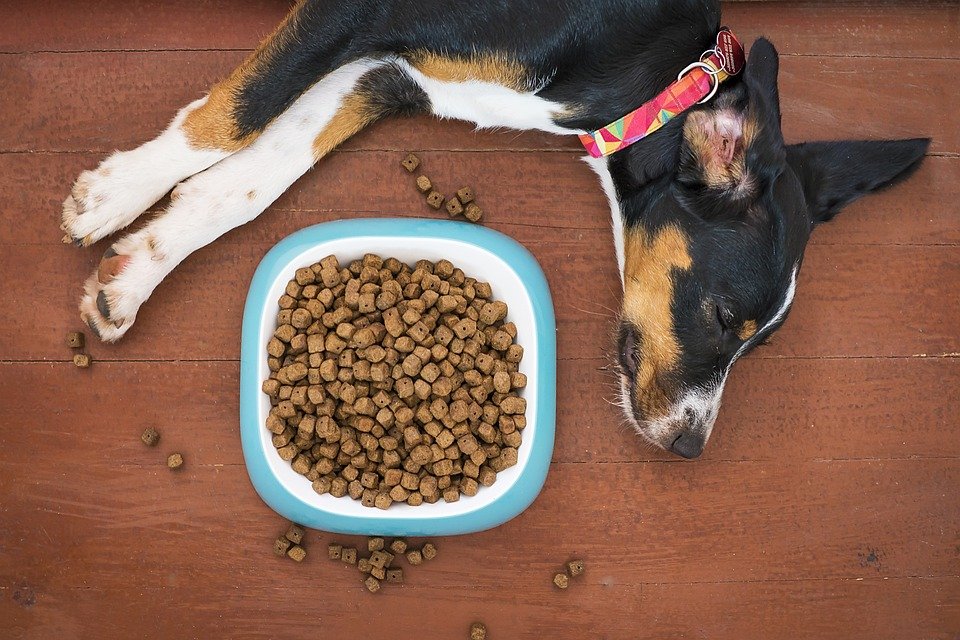
Gentle Giants: The Top Dog Food for Sensitive Stomachs
Many dogs suffer from sensitive stomachs, which can lead to digestive issues, skin problems, and overall discomfort. It’s important to feed your furry friend a diet that is gentle on their digestive system and provides all the necessary nutrients for their well-being. In this article, we will explore the top dog foods for sensitive stomachs that can help your pup thrive.
Key Takeaways
- Choose a dog food that is specifically formulated for sensitive stomachs.
- Avoid common allergens such as corn, wheat, and soy.
- Look for high-quality protein sources like chicken, turkey, or salmon.
- Consider probiotics and prebiotics to support digestive health.
1. Importance of Choosing the Right Dog Food
When it comes to dogs with sensitive stomachs, the quality of their food plays a crucial role in their overall health. Low-quality ingredients, artificial additives, and fillers can exacerbate digestive issues and lead to other health problems. Opting for a premium dog food that is specifically designed for sensitive stomachs can make a significant difference in your pet’s well-being.
2. Ingredients to Look for in Dog Food for Sensitive Stomachs
When selecting a dog food for a sensitive stomach, it’s important to pay attention to the ingredients list. Look for easily digestible proteins such as chicken, turkey, or fish. Avoid common allergens like corn, wheat, soy, and artificial additives. Opt for dog food that contains probiotics and prebiotics to promote healthy digestion and nutrient absorption.
3. Top Brands for Dog Food for Sensitive Stomachs
There are several reputable brands that offer dog food specifically formulated for sensitive stomachs. Some top options include Hill’s Science Diet Sensitive Stomach & Skin, Royal Canin Digestive Care, Purina Pro Plan Sensitive Skin & Stomach, and Blue Buffalo Basics Limited Ingredient Diet. These brands prioritize high-quality ingredients and provide balanced nutrition for dogs with sensitive stomachs.
4. Transitioning to a New Dog Food
When switching your dog to a new food for sensitive stomachs, it’s important to do so gradually. Start by mixing small amounts of the new food with their current food and gradually increase the ratio over the course of a week. This gradual transition can help prevent digestive upset and allow your dog’s system to adjust to the new diet.
FAQs About Dog Food for Sensitive Stomachs
1. How can I tell if my dog has a sensitive stomach?
Dogs with sensitive stomachs may exhibit symptoms such as vomiting, diarrhea, gas, bloating, or frequent stomach upset. If you notice any of these signs, it’s best to consult with your veterinarian to determine the underlying cause and find an appropriate diet.
2. Are grain-free diets better for dogs with sensitive stomachs?
While some dogs with sensitive stomachs may benefit from a grain-free diet, it’s not always necessary. The key is to focus on high-quality ingredients and avoid common allergens, whether the food contains grains or not. Consult with your vet to determine the best diet for your dog.
3. Can supplements help dogs with sensitive stomachs?
Supplements like probiotics and digestive enzymes can aid in digestion and support a healthy gut microbiome in dogs with sensitive stomachs. However, it’s important to consult with your vet before adding any supplements to your dog’s diet to ensure they are safe and appropriate for your pet.
4. How long should I give a new dog food to see if it helps my dog’s sensitive stomach?
It can take several weeks for a dog’s digestive system to adjust to a new diet, so it’s recommended to give the new food at least 4-6 weeks before evaluating its impact on your dog’s sensitive stomach. Monitor your dog’s symptoms and consult with your vet if needed.