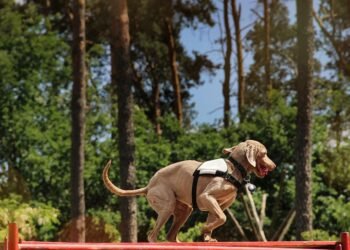




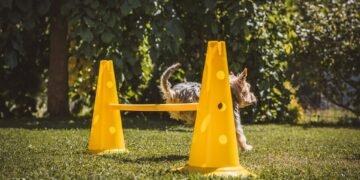



















Dogs are active creatures that love to explore the outdoors, but sometimes harsh weather conditions or rough terrain can make it uncomfortable for them to walk. This is where dog boots come in handy, providing protection and comfort for your furry friend. However, finding dog boots that stay on can be a challenge for many pet owners. In this ultimate guide, we will explore the best tips and tricks to ensure your dog’s boots stay on securely, allowing them to step with confidence wherever they go.
Key Takeaways
- Proper fit is essential for dog boots to stay on.
- Training your dog to wear boots can help them get used to the sensation.
- Choose boots with secure closures and durable materials.
- Regularly check and replace worn-out boots to ensure proper protection.
Choosing the Right Fit
One of the most crucial factors in ensuring that your dog’s boots stay on is choosing the right size. Measure your dog’s paws carefully to find the perfect fit, ensuring that the boots are snug but not too tight. Look for boots with adjustable straps or closures to customize the fit for your dog’s unique paw shape.
Training Your Dog to Wear Boots
Some dogs may be hesitant or uncomfortable wearing boots for the first time. To help them get used to the sensation, introduce the boots gradually and offer treats or positive reinforcement to create a positive association. Start by letting your dog wear the boots for short periods indoors before venturing outside.
Choosing Boots with Secure Closures
Opt for dog boots with secure closures such as Velcro straps, buckles, or zippers to ensure a snug fit that stays on during activity. Avoid boots with loose or flimsy closures that can easily come undone, leading to lost boots and potential injury to your dog.
Regular Maintenance and Replacement
Inspect your dog’s boots regularly for signs of wear and tear, such as worn-out soles or damaged closures. Replace any damaged boots promptly to ensure continued protection for your dog’s paws. Additionally, clean the boots regularly to remove dirt, debris, and bacteria that can cause irritation.
FAQ
Q: How do I measure my dog’s paws for boots?
A: To measure your dog’s paws for boots, place their paw on a piece of paper and trace the outline. Measure the width and length of the tracing to determine the correct size for the boots.
Q: Are there different types of boots for different seasons?
A: Yes, there are dog boots designed for different seasons and conditions. Look for insulated boots for winter weather, breathable boots for summer, and waterproof boots for rainy days.
Q: How can I prevent my dog from losing their boots during walks?
A: To prevent your dog from losing their boots, ensure a proper fit, choose boots with secure closures, and supervise your dog during walks to quickly address any loose boots before they come off.
Q: Can I use dog boots for medical purposes?
A: Dog boots can be used for medical purposes, such as protecting injured paws or preventing licking of wounds. Consult with your veterinarian for recommendations on the best type of boots for your dog’s specific needs.