

























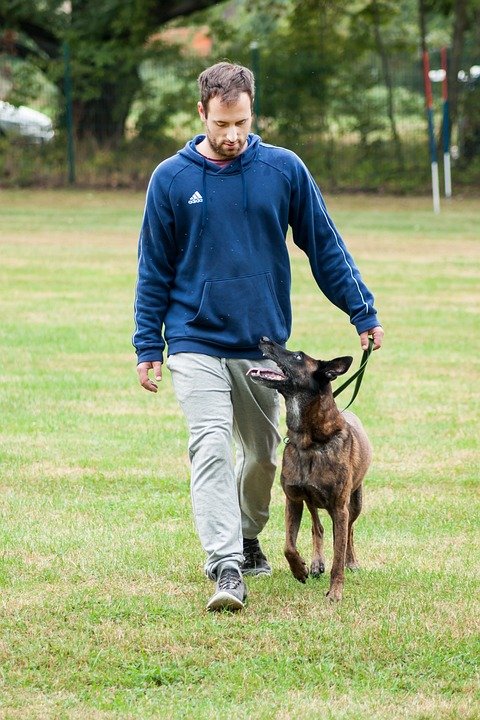
As a dog owner, you want the best for your furry friend. Training your dog is essential for their well-being and your peace of mind. Local training classes offer a great opportunity to unleash your dog’s potential and strengthen your bond. These classes provide a structured environment where dogs can learn new skills, socialize with other dogs, and receive guidance from experienced trainers.
Key Takeaways
- Local training classes offer a structured environment for dogs to learn new skills.
- Classes provide socialization opportunities with other dogs.
- Experienced trainers can offer guidance and support.
- Training classes can help strengthen the bond between you and your dog.
Benefits of Local Training Classes
Attending local training classes with your dog can have numerous benefits. Not only do these classes provide a structured environment for learning, but they also offer opportunities for socialization. Dogs that interact with other dogs in a controlled setting are more likely to develop good social skills and manners. Moreover, experienced trainers can offer personalized guidance and support, helping you address specific behavior issues and build a strong bond with your dog.
Choosing the Right Class for Your Dog
When selecting a local training class for your dog, consider factors such as the class size, training methods used, and the experience of the trainer. It’s important to choose a class that aligns with your dog’s temperament and learning style. Additionally, look for classes that focus on positive reinforcement techniques, as these methods are more effective and humane than punishment-based training.
Practicing Consistency and Patience
Consistency is key when it comes to training your dog. Practice the skills learned in class regularly at home to reinforce positive behaviors. Remember that training takes time and patience, so be consistent with your efforts and avoid becoming frustrated. Celebrate small victories and progress, and don’t be discouraged by setbacks.
Engaging in Continued Education
Training your dog is an ongoing process that requires commitment and dedication. Consider enrolling in advanced training classes or workshops to continue building on your dog’s skills. Additionally, stay informed about the latest training techniques and research in dog behavior to ensure you are providing the best possible care for your furry friend.
FAQ
How old does my dog need to be to attend training classes?
Most training classes welcome puppies as young as 8-10 weeks old. However, it’s important to check with the specific class provider for their age requirements.
What should I bring to a training class?
Be sure to bring your dog’s leash, collar, and plenty of treats as rewards for good behavior. It’s also helpful to bring water and a bowl for your dog to stay hydrated during the class.
How long do training classes typically last?
Training classes can vary in length, but most classes run for about an hour per session. Some classes may meet once a week, while others may have more frequent sessions depending on the program.
What if my dog is reactive or fearful around other dogs?
If your dog has behavior issues such as reactivity or fearfulness around other dogs, consider seeking the guidance of a professional trainer or behaviorist. They can help you address these issues and create a training plan that is tailored to your dog’s specific needs.