

















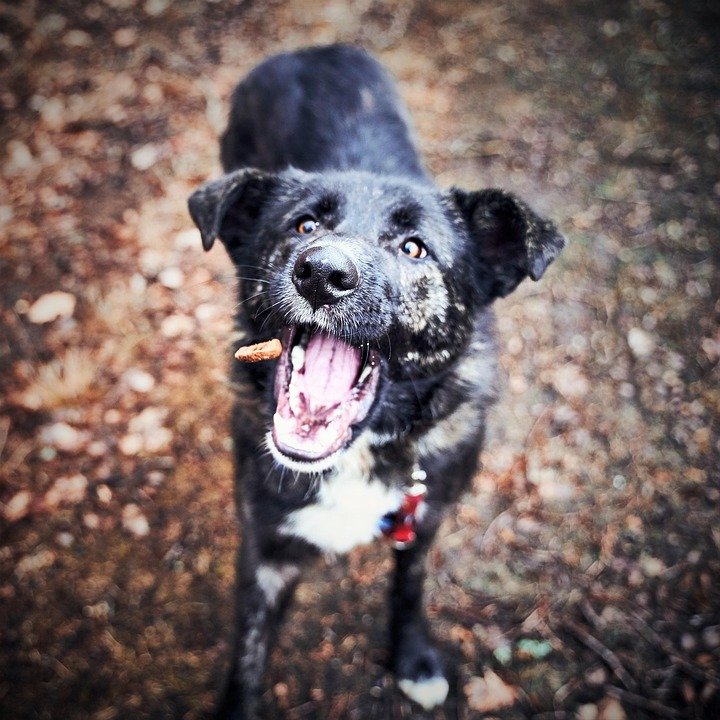
Obesity is a growing concern among pets, with over 50% of dogs in the United States being overweight or obese. Just like in humans, excess weight in dogs can lead to a variety of health issues, including diabetes, arthritis, and heart disease. One of the key factors in managing your dog’s weight is providing them with the right nutrition. Choosing the best dog food for weight loss can make a significant difference in helping your furry friend shed those extra pounds and live a healthier, happier life.
Key Takeaways
- Look for dog foods with high protein content and low fat content.
- Avoid foods with fillers like corn, wheat, and soy.
- Consider portion control and feeding schedules for effective weight management.
- Consult with your veterinarian before making any significant changes to your dog’s diet.
1. Importance of Choosing the Right Dog Food
When it comes to weight loss for dogs, the quality of their diet plays a crucial role. Look for dog foods that are specifically formulated for weight management, with high protein content to help maintain muscle mass and low fat content to reduce overall calorie intake. Avoid foods with fillers like corn, wheat, and soy, as these can contribute to weight gain without providing much nutritional value.
2. Portion Control and Feeding Schedules
Controlling your dog’s portions and establishing a regular feeding schedule are essential for successful weight loss. Avoid free-feeding and instead, measure out your dog’s meals to ensure they are getting the right amount of food. Splitting their daily portion into multiple smaller meals throughout the day can also help prevent overeating and keep their metabolism active.
3. Incorporating Exercise into Your Dog’s Routine
In addition to choosing the right dog food, regular exercise is key to helping your furry friend shed those extra pounds. Take your dog for daily walks, engage in interactive play sessions, or consider enrolling them in agility or obedience training classes. Not only will exercise help with weight loss, but it will also improve your dog’s overall health and well-being.
4. Monitoring Your Dog’s Progress
It’s important to regularly monitor your dog’s weight loss progress and make adjustments to their diet and exercise routine as needed. Keep track of their weight, body condition score, and energy levels to ensure they are on the right track. Consulting with your veterinarian throughout the weight loss journey can provide valuable guidance and support.
FAQ
Q: How do I know if my dog is overweight?
A: You can assess your dog’s weight by looking for a defined waist when viewed from above, feeling their ribs with a slight covering of fat, and observing their overall body condition score. Your veterinarian can also help determine if your dog is overweight.
Q: Can I feed my dog human food for weight loss?
A: While some human foods can be safe for dogs in moderation, it’s best to stick to dog-specific weight loss formulas that are nutritionally balanced and tailored to their needs. Consult with your veterinarian before introducing any new foods into your dog’s diet.
Q: How quickly should I expect to see weight loss results in my dog?
A: The rate of weight loss in dogs can vary depending on various factors such as their size, age, and activity level. It’s important to aim for a gradual weight loss of 1-2% per week to ensure it is sustainable and healthy for your dog.
Q: Are there any supplements that can aid in weight loss for dogs?
A: While there are supplements on the market that claim to aid in weight loss for dogs, it’s important to consult with your veterinarian before adding any supplements to your dog’s diet. Focus on providing a balanced diet and regular exercise for effective weight management.