

























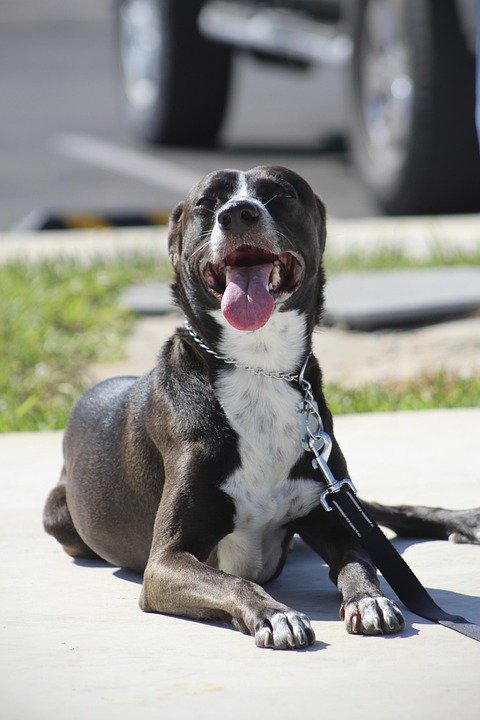
When it comes to dealing with dog aggression, seeking expert training is crucial for both the safety of your pet and those around them. Understanding the root causes of aggression in dogs and learning how to effectively manage and modify their behavior can make a significant difference in the well-being of your furry friend. If you’re looking for professional dog aggression training near you, it’s important to find a reputable trainer who has experience in dealing with aggressive behavior in dogs.
Key Takeaways
- Understanding the root causes of dog aggression is key to effective training.
- Professional dog trainers can help you manage and modify your dog’s aggressive behavior.
- Consistency and positive reinforcement are essential in training an aggressive dog.
- Seeking help from a certified trainer or behaviorist is recommended for severe cases of aggression.
1. Understanding Dog Aggression
Dog aggression can stem from a variety of factors, including fear, territoriality, possessiveness, or frustration. It’s important to identify the triggers that lead to aggressive behavior in your dog so that you can address them effectively. Working with a professional trainer can help you understand the underlying causes of your dog’s aggression and develop a tailored training plan to address these issues.
2. Effective Training Techniques
Consistency and positive reinforcement are key components of training an aggressive dog. Rewarding good behavior and redirecting negative behavior can help your dog learn alternative ways to cope with their triggers. It’s important to remain patient and understanding throughout the training process, as changing behavior takes time and effort.
3. Seeking Professional Help
In cases of severe aggression, it’s crucial to seek help from a certified dog trainer or behaviorist. These professionals have the knowledge and experience to work with aggressive dogs and can provide you with the guidance and support needed to address your dog’s behavior effectively. They can also help you develop a long-term training plan to ensure lasting results.
4. Creating a Safe Environment
Creating a safe and comfortable environment for your dog is essential in managing their aggression. Avoid putting your dog in situations that trigger their aggressive behavior, and provide them with plenty of mental and physical stimulation to prevent boredom and frustration. Consistent exercise and mental stimulation can help reduce stress and anxiety in your dog, leading to improved behavior.
FAQ
Q: How can I tell if my dog is displaying aggressive behavior?
A: Signs of aggression in dogs can include growling, barking, lunging, snapping, or biting. It’s important to pay attention to your dog’s body language and behavior to identify any signs of aggression early on.
Q: Can all dogs be trained to overcome aggression?
A: While most dogs can benefit from training to manage their aggression, some cases may be more challenging than others. It’s important to work with a professional trainer to assess your dog’s behavior and develop a tailored training plan based on their individual needs.
Q: How long does it take to see results from dog aggression training?
A: The timeline for seeing results from dog aggression training can vary depending on the severity of your dog’s behavior and their responsiveness to training. Consistency and patience are key in achieving lasting results in modifying your dog’s aggressive behavior.
Q: What should I do if my dog’s aggression worsens during training?
A: If your dog’s aggression worsens during training, it’s important to seek help from a professional trainer or behaviorist immediately. They can assess the situation and make necessary adjustments to the training plan to ensure the safety of both your dog and those around them.