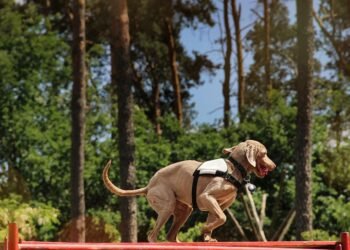

























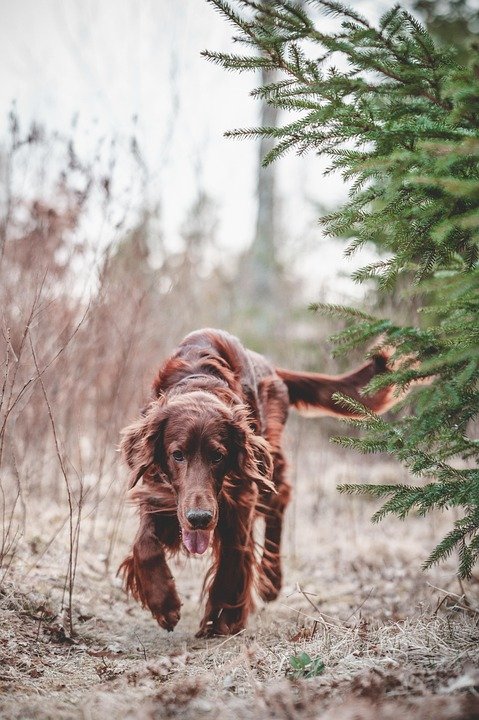
Dogs are known for their loyalty, companionship, and intelligence, but sometimes they need a little extra help to reach their full potential. Training schools offer a structured environment where dogs can learn essential skills and behaviors that will benefit them throughout their lives. Whether you have a new puppy or an older dog in need of some training, finding the right school near you can make all the difference in unleashing your dog’s potential.
Key Takeaways
- Training schools provide a structured environment for dogs to learn essential skills.
- Choosing the right school near you can make a significant impact on your dog’s development.
- Look for schools that offer positive reinforcement training methods.
- Consider the qualifications and experience of the trainers at the school.
1. Research Local Training Schools
Start by researching local training schools in your area. Look for schools that have a good reputation and positive reviews from past clients. Visit the schools in person if possible to see their facilities and observe a training session. Ask about the training methods used and make sure they align with your beliefs about dog training. Positive reinforcement methods are often recommended as they focus on rewarding good behavior rather than punishing bad behavior.
2. Consider Group Classes vs. Private Lessons
Some training schools offer group classes, while others provide private lessons. Group classes can be a great way for your dog to socialize with other dogs and learn in a group setting. Private lessons may be more suitable for dogs with specific behavior issues or for owners who prefer one-on-one attention. Consider your dog’s personality and needs when deciding between group classes and private lessons.
3. Evaluate Trainer Qualifications
The qualifications and experience of the trainers at a training school are crucial factors to consider. Look for trainers who are certified by reputable organizations such as the Association of Professional Dog Trainers (APDT) or the Certification Council for Professional Dog Trainers (CCPDT). Experienced trainers will have a deep understanding of dog behavior and training techniques, which can make a significant difference in your dog’s learning experience.
4. Continued Practice at Home
Training schools provide a structured environment for your dog to learn new skills, but it’s essential to continue practicing at home. Consistency is key when it comes to reinforcing what your dog has learned in training sessions. Practice basic commands, such as sit, stay, and come, regularly to keep your dog’s skills sharp. Positive reinforcement at home will help solidify the training your dog receives at the school.
FAQ
Q: How old does my dog need to be to start training?
A: Puppies can start training as early as 8 weeks old, but older dogs can also benefit from training at any age. It’s never too late to teach an old dog new tricks!
Q: How long does it take to see results from training?
A: The time it takes to see results from training can vary depending on the dog and the behaviors being addressed. Consistent practice and patience are key to seeing progress in your dog’s training.
Q: What should I look for in a good training school?
A: Look for a training school that uses positive reinforcement methods, has experienced and certified trainers, and offers a structured yet fun learning environment for your dog.
Q: Can training schools help with behavior issues?
A: Yes, training schools can help address behavior issues such as aggression, anxiety, and leash reactivity. Trainers can work with you and your dog to develop a personalized training plan to address these issues.