






















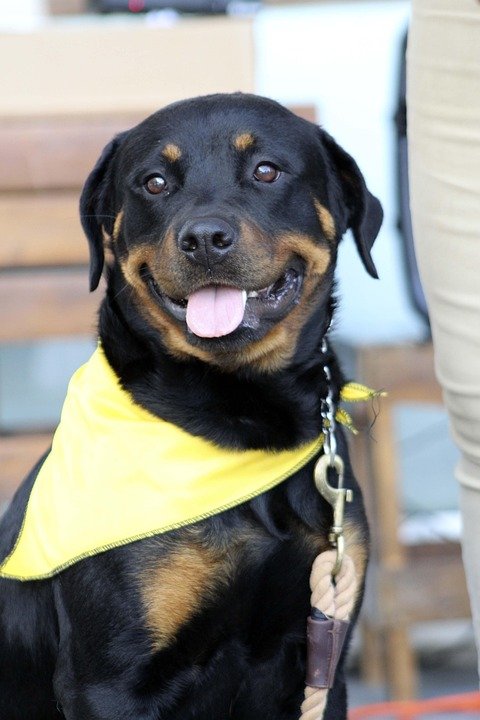
As a dog owner, ensuring that your furry friend is well-behaved and obedient is essential for a harmonious relationship. Private dog training solutions offer a personalized approach to addressing specific behavior issues and training needs. By working one-on-one with a professional trainer, you can tailor the training program to suit your dog’s unique personality and learning style. This article will explore the secret to success in private dog training and provide practical tips for achieving a well-behaved pup.
Key Takeaways
- Private dog training offers personalized solutions for behavior issues.
- Working one-on-one with a professional trainer can address specific training needs.
- Consistency and positive reinforcement are key to successful dog training.
- Private training sessions provide a focused and distraction-free environment for learning.
The Benefits of Private Dog Training
Private dog training sessions provide a personalized approach to addressing behavior issues and training needs. Working one-on-one with a professional trainer allows for a customized training program tailored to your dog’s unique personality and learning style. This individualized attention can lead to faster and more effective results compared to group classes where the training may not be as targeted.
Consistency and Positive Reinforcement
Consistency is key to successful dog training. By establishing clear rules and expectations for your dog and consistently reinforcing them, you can help your pup understand what is expected of them. Positive reinforcement, such as treats, praise, and rewards, can motivate your dog to repeat desirable behaviors and make training sessions more enjoyable for both you and your furry friend.
Creating a Structured Training Routine
Creating a structured training routine is essential for a well-behaved pup. Set aside dedicated time each day for training sessions and practice basic commands such as sit, stay, and come. Incorporate training into your daily activities, such as meal times and walks, to reinforce good behavior throughout the day. Consistent practice and repetition will help your dog retain what they have learned and improve their obedience over time.
Utilizing a Distraction-Free Environment
Private dog training sessions provide a focused and distraction-free environment for learning. By working with a professional trainer in a controlled setting, you can eliminate external distractions that may hinder your dog’s progress in a group class or public setting. This focused environment allows for more effective communication between you, your dog, and the trainer, leading to better results in a shorter amount of time.
FAQ
Q: How often should I schedule private training sessions for my dog?
A: The frequency of private training sessions will depend on your dog’s individual needs and behavior issues. In general, weekly sessions are recommended to allow for consistent practice and reinforcement of training techniques.
Q: What should I look for in a professional dog trainer for private sessions?
A: When selecting a professional dog trainer for private sessions, look for certifications, experience working with your dog’s breed, positive training methods, and good reviews from previous clients. A consultation with the trainer can help you assess their approach and determine if they are the right fit for your dog.
Q: How long does it take to see results from private dog training sessions?
A: The timeline for seeing results from private dog training sessions will vary depending on your dog’s behavior issues and learning ability. Some dogs may show improvement after just a few sessions, while others may require more time and practice to see significant progress. Consistency and patience are key to achieving long-lasting results.
Q: Can private dog training help with specific behavior issues such as aggression or anxiety?
A: Private dog training can be highly effective in addressing specific behavior issues such as aggression, anxiety, and fearfulness. A professional trainer can assess your dog’s behavior and create a customized training plan to address these issues, using positive reinforcement techniques to promote positive behavior changes.