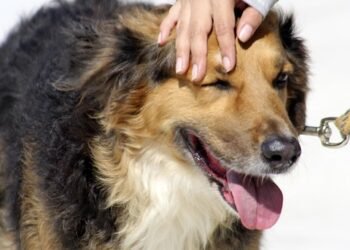

























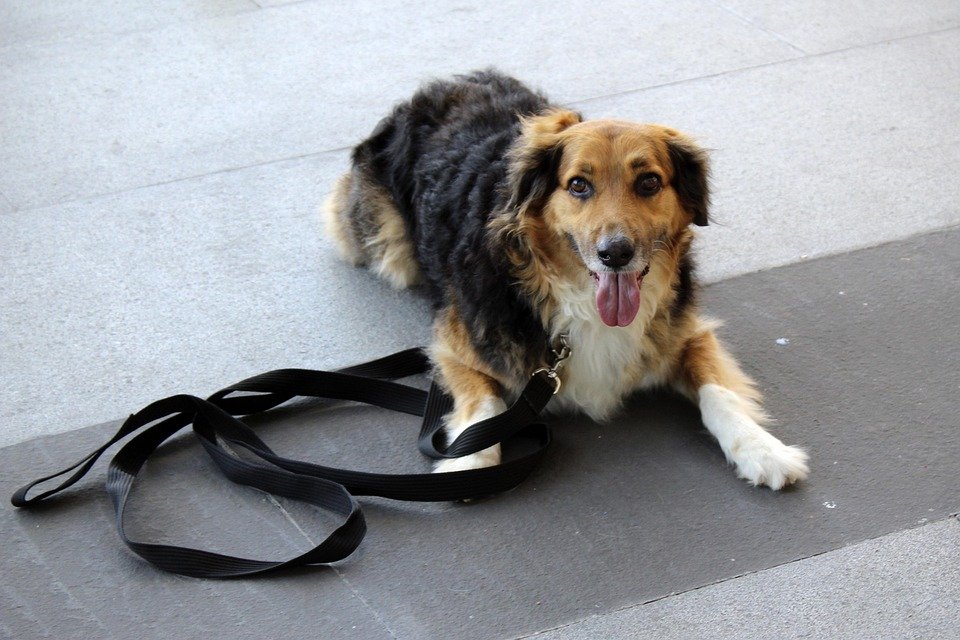
Dogs have been known as man’s best friend for centuries, providing companionship, love, and support to their owners. However, some dogs have the potential to go beyond just being pets and become therapy dogs. Therapy dogs are specially trained to provide comfort and support to people in need, such as those in hospitals, nursing homes, schools, and disaster areas. If you believe your dog has the temperament and skills to become a therapy dog, it’s important to discover therapy dog training near you to unleash their full potential.
Key Takeaways
- Therapy dogs provide comfort and support to people in need.
- Training is essential to ensure your dog is well-prepared for therapy work.
- Look for reputable therapy dog training programs in your area.
- Consider the requirements and commitment involved in therapy dog training.
Choosing the Right Therapy Dog Training Program
When looking for therapy dog training near you, it’s essential to choose the right program that suits your dog’s needs and abilities. Consider factors such as the training methods used, the experience of the trainers, and the success rates of previous therapy dog teams that have gone through the program. Look for programs that focus on positive reinforcement and offer ongoing support and guidance throughout the training process.
Preparing Your Dog for Therapy Work
Before enrolling your dog in a therapy dog training program, it’s important to ensure they have the necessary skills and temperament for the job. Make sure your dog is well-socialized, obedient, and comfortable around different people and environments. Basic obedience training is a must, as therapy dogs need to follow commands reliably and behave appropriately in various situations. Consider taking your dog to obedience classes or working with a professional trainer to prepare them for therapy work.
Understanding the Commitment Involved
Becoming a therapy dog team requires a significant commitment of time, energy, and resources. Therapy dog training can take several months to complete, and ongoing practice and evaluations are necessary to maintain certification. You will also be responsible for scheduling and attending therapy visits, ensuring your dog is well-groomed and healthy, and following the guidelines and regulations set by the therapy dog organization. Make sure you are prepared to dedicate yourself to this rewarding but demanding role.
Finding Opportunities for Therapy Visits
Once your dog is trained and certified as a therapy dog, you can start looking for opportunities to participate in therapy visits. Contact local hospitals, nursing homes, schools, and other facilities to inquire about their therapy dog programs and see if they are in need of volunteers. You can also join a therapy dog organization that provides support and resources for therapy dog teams and helps connect them with opportunities in the community. Remember that the goal of therapy visits is to provide comfort and support to those in need, so always prioritize the well-being of the people you interact with.
FAQ
What qualities make a good therapy dog?
A good therapy dog is friendly, calm, well-behaved, and able to remain relaxed in various environments and around different people. They should enjoy being petted and interacting with strangers, and have a gentle and patient demeanor.
How can I tell if my dog is suitable for therapy work?
You can assess your dog’s suitability for therapy work by observing their behavior around people, other animals, and in different situations. Look for signs of friendliness, calmness, and adaptability, as well as a willingness to follow commands and engage with strangers.
What training is required to become a therapy dog?
Therapy dogs need to undergo basic obedience training, as well as specialized therapy dog training that focuses on skills such as good manners, socialization, and comfort with handling and interactions. They also need to pass a therapy dog evaluation to demonstrate their suitability for therapy work.
Are there age or breed restrictions for therapy dogs?
Therapy dog organizations may have specific requirements regarding the age, health, and breed of dogs that can participate in therapy work. While any breed can potentially become a therapy dog, certain breeds may be better suited for this role based on their temperament and characteristics.