























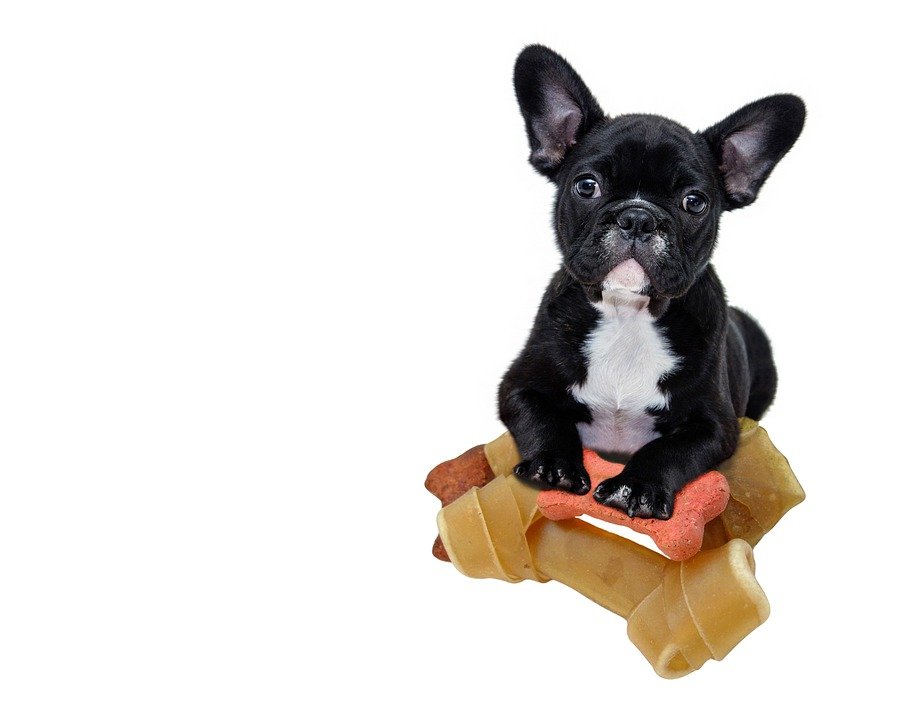
Small breed puppies have unique nutritional needs that require special attention. Finding the right dog food for your little furry friend is crucial for their growth, development, and overall health. With so many options available on the market, it can be overwhelming to choose the best one. In this article, we will explore some top picks for small breed puppy nutrition to help you make an informed decision.
Key Takeaways
- Small breed puppies have unique nutritional needs that require special attention.
- Look for dog foods that are specifically formulated for small breed puppies.
- Check the ingredient list for high-quality proteins, healthy fats, and essential vitamins and minerals.
- Consult with your veterinarian to determine the best diet for your small breed puppy.
1. Importance of Choosing the Right Dog Food
Choosing the right dog food for your small breed puppy is essential for their overall health and well-being. Small breed puppies have higher energy needs and faster metabolisms compared to larger breeds, so it’s important to provide them with a diet that is rich in nutrients and calories. Look for dog foods that are specifically formulated for small breed puppies to ensure that they are getting the right balance of protein, fat, and carbohydrates.
2. Top Picks for Small Breed Puppy Nutrition
When it comes to choosing the best dog food for your small breed puppy, there are several top picks that are highly recommended by veterinarians and pet nutritionists. Some of the best options include Royal Canin X-Small Puppy, Wellness Complete Health Small Breed Puppy, Blue Buffalo Life Protection Formula Small Breed Puppy, and Hill’s Science Diet Small Paws Puppy.
3. What to Look for in Small Breed Puppy Food
When selecting a dog food for your small breed puppy, it’s important to look for certain key ingredients. High-quality proteins, such as chicken, turkey, or fish, should be listed as the first ingredient. Healthy fats, like omega-3 and omega-6 fatty acids, are essential for your puppy’s skin and coat health. Additionally, make sure the food contains essential vitamins and minerals, such as calcium, phosphorus, and vitamin D, to support your puppy’s bone development.
4. Consulting with Your Veterinarian
Before making any changes to your small breed puppy’s diet, it’s important to consult with your veterinarian. They can provide valuable insight and recommendations based on your puppy’s individual needs and health status. Your veterinarian can also help you determine the right portion sizes and feeding schedule to ensure that your puppy is getting the right amount of nutrients for their size and age.
FAQ
1. What are the nutritional requirements for small breed puppies?
Small breed puppies require a diet that is rich in high-quality proteins, healthy fats, and essential vitamins and minerals. Protein helps support their muscle growth and development, while fats provide energy and promote healthy skin and coat. Vitamins and minerals are necessary for overall growth and development, including bone health.
2. How often should I feed my small breed puppy?
Small breed puppies typically require more frequent feeding compared to adult dogs. It’s recommended to feed them 3-4 small meals throughout the day to help maintain their energy levels and support their growth. Consult with your veterinarian to determine the best feeding schedule for your puppy.
3. Can I feed my small breed puppy a diet meant for larger breeds?
It’s not recommended to feed your small breed puppy a diet that is formulated for larger breeds. Small breed puppies have unique nutritional needs that are different from larger breeds, so it’s important to choose a dog food that is specifically designed for small breed puppies to ensure they are getting the right balance of nutrients.
4. How do I transition my small breed puppy to a new dog food?
When transitioning your small breed puppy to a new dog food, it’s important to do so gradually to avoid digestive upset. Start by mixing a small amount of the new food with their current food and gradually increase the proportion over a period of 7-10 days. Monitor your puppy’s stool and overall health during the transition period.