























Dogs are known for their playful and energetic nature, but just like humans, they also need proper rest and sleep to stay healthy. One way to ensure your dog gets a good night’s sleep is by incorporating regular exercise into their routine. Exercise not only helps keep your dog physically fit, but it also has a direct impact on their sleep quality. Understanding the link between exercise and better sleep for your dog is crucial for their overall well-being.
Key Takeaways
- Regular exercise can improve your dog’s sleep quality.
- Physical activity helps reduce anxiety and restlessness in dogs.
- A well-exercised dog is more likely to follow a consistent sleep schedule.
- Consult with your veterinarian to create a tailored exercise plan for your dog.
The Benefits of Exercise for Your Dog’s Sleep
Regular exercise has numerous benefits for your dog’s overall health, including improved sleep quality. When dogs engage in physical activity, they burn off excess energy, making them more relaxed and ready for rest. Exercise also helps reduce anxiety and restlessness in dogs, which can contribute to better sleep patterns. A tired dog is more likely to fall asleep faster and stay asleep throughout the night.
Types of Exercise for Better Sleep
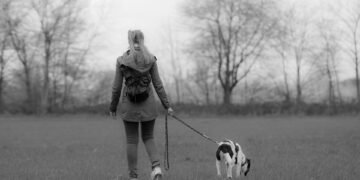
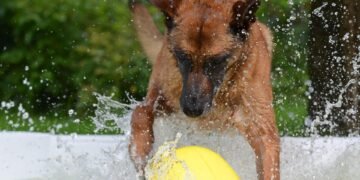
There are various types of exercises you can incorporate into your dog’s routine to promote better sleep. Activities such as daily walks, interactive play sessions, and agility training can help keep your dog active and mentally stimulated. Tailor the exercise routine to your dog’s age, breed, and fitness level to ensure they get the right amount of physical activity.
Creating a Consistent Exercise Schedule
Consistency is key when it comes to reaping the benefits of exercise for your dog’s sleep. Aim to provide your dog with daily opportunities for physical activity, whether it’s a morning walk, an afternoon game of fetch, or an evening training session. Establishing a regular exercise schedule will not only improve your dog’s sleep but also strengthen your bond through shared activities.
Consulting with Your Veterinarian
Before starting any new exercise regimen with your dog, it’s important to consult with your veterinarian. They can provide valuable insights into your dog’s specific needs and recommend appropriate exercises based on their health status. Your vet can also help you monitor your dog’s progress and make adjustments to the exercise plan as needed to ensure optimal results.
FAQs About Exercise and Sleep for Dogs
1. How much exercise does my dog need for better sleep?
The amount of exercise your dog needs depends on factors such as their age, breed, and overall health. In general, most dogs benefit from at least 30 minutes to 1 hour of physical activity each day to promote better sleep.
2. Can late-night exercise affect my dog’s sleep?
While exercise is beneficial for promoting better sleep, engaging in vigorous physical activity right before bedtime may lead to increased energy levels and make it harder for your dog to wind down. It’s best to schedule exercise sessions earlier in the day to allow your dog time to relax before bedtime.
3. What are signs that my dog is getting enough exercise?
A well-exercised dog will exhibit signs of contentment, such as being calm and relaxed at home. They will also show improved behavior, such as reduced hyperactivity and destructive tendencies. Pay attention to your dog’s overall demeanor to gauge if they are getting enough exercise.
4. Can certain health conditions impact my dog’s exercise routine?
Yes, certain health conditions such as arthritis, heart disease, or obesity can impact your dog’s ability to engage in physical activity. It’s important to work closely with your veterinarian to create a tailored exercise plan that takes into account any underlying health issues your dog may have.