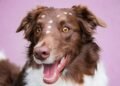
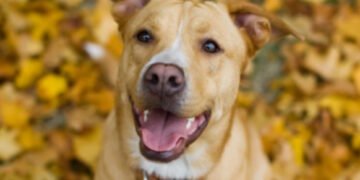
















Obesity in dogs is a growing concern, with over 50% of dogs in the United States being overweight or obese. Just like in humans, excess weight can lead to a variety of health issues in dogs, including diabetes, joint problems, and decreased lifespan. One of the key ways to help your pup maintain a healthy weight is by feeding them the right food. In this guide, we will explore the best dog food options for weight loss to help your furry friend trim down and live a healthier life.
Key Takeaways
- Choose a high-protein, low-fat dog food for weight loss.
- Avoid fillers and by-products in your dog’s food.
- Consider portion control and regular exercise for effective weight loss.
- Consult your veterinarian before making any changes to your dog’s diet.
1. High-Protein, Low-Fat Dog Food
When selecting a dog food for weight loss, opt for a high-protein, low-fat formula. Protein is essential for maintaining muscle mass while helping your dog feel full and satisfied. Look for lean protein sources like chicken, turkey, or fish. On the other hand, avoid foods high in fat, as they can contribute to excess calories and weight gain.
2. Avoid Fillers and By-Products
When reading the ingredient list on your dog’s food, steer clear of fillers and by-products. Fillers like corn and wheat offer little nutritional value and can lead to weight gain. By-products, such as animal organs and feathers, are also best avoided. Opt for dog foods with whole, natural ingredients to provide your pup with the necessary nutrients without unnecessary additives.
3. Portion Control and Regular Exercise
In addition to choosing the right dog food, portion control and regular exercise are crucial for weight loss. Be mindful of the serving size recommended for your dog’s weight and activity level. Avoid free-feeding and instead, establish set meal times. Incorporate daily walks and playtime to help your pup burn calories and stay active.
4. Consult Your Veterinarian
Before making any significant changes to your dog’s diet, it’s important to consult your veterinarian. They can provide personalized recommendations based on your dog’s specific needs and health status. Your vet may also suggest a weight loss plan tailored to your dog’s age, breed, and activity level to ensure safe and effective results.
FAQ
Q: How can I tell if my dog is overweight?
A: You can determine if your dog is overweight by feeling their ribs and waistline. If you can’t easily feel their ribs or see a defined waist, they may be carrying excess weight.
Q: Can I feed my dog human food for weight loss?
A: While some human foods can be safe for dogs in moderation, it’s best to stick to dog-specific weight loss formulas to ensure they receive the right balance of nutrients.
Q: How quickly can I expect to see weight loss results in my dog?
A: Weight loss results can vary depending on your dog’s starting weight, diet, and exercise routine. It’s important to monitor their progress and make adjustments as needed with the guidance of your veterinarian.
Q: Are there any supplements that can aid in weight loss for dogs?
A: Some supplements, like omega-3 fatty acids, can support weight loss in dogs by promoting a healthy metabolism and reducing inflammation. However, it’s best to consult your vet before adding any supplements to your dog’s diet.