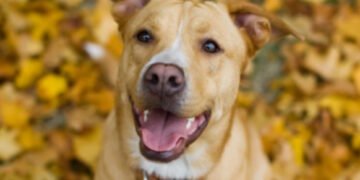





















Dogs, like humans, can struggle with weight management issues that can lead to health problems such as diabetes, joint pain, and heart disease. Finding the right dog food for weight loss is essential to help your furry friend achieve a lean and healthy body. However, some dogs may have allergies or sensitivities to chicken, making it challenging to find suitable options. In this article, we will explore some of the top dog food picks for weight loss without chicken to help your pet achieve their ideal weight and maintain a healthy lifestyle.
Key Takeaways
- Focus on high-quality protein sources such as turkey, fish, or lamb for weight loss dog food.
- Avoid chicken-based products if your dog has allergies or sensitivities.
- Look for dog foods with added fiber to help your pet feel full and satisfied.
- Consult with your veterinarian before making any significant changes to your dog’s diet.
1. Protein Sources for Weight Loss
When selecting dog food for weight loss, it’s important to choose options that are rich in protein to help maintain muscle mass while reducing fat. Turkey, fish, and lamb are excellent alternatives to chicken and provide essential nutrients for your dog’s overall health. Look for dog foods with these protein sources listed as the main ingredients to support your pet’s weight loss journey.
2. Grain-Free Options
Many weight loss dog foods are grain-free, which can be beneficial for dogs with allergies or sensitivities to grains. Grain-free options typically use alternative sources of carbohydrates such as sweet potatoes or peas to provide energy without causing digestive issues. When selecting a grain-free dog food, ensure that it contains adequate protein and essential nutrients to support your dog’s weight loss goals.
3. Added Fiber for Satiety
Fiber is an essential nutrient for weight loss as it helps your dog feel full and satisfied after meals, reducing the chances of overeating. Look for dog foods with added fiber from sources such as pumpkin or chicory root to promote a healthy digestive system and support weight management. Incorporating fiber-rich foods into your dog’s diet can help them achieve and maintain a healthy weight over time.
4. Consult with Your Veterinarian
Before making any significant changes to your dog’s diet, it’s crucial to consult with your veterinarian to ensure that you are selecting the right food for their individual needs. Your veterinarian can provide personalized recommendations based on your dog’s age, weight, activity level, and any existing health conditions. Working with your veterinarian can help you create a tailored weight loss plan that is safe and effective for your furry friend.
FAQ
Q: Can I mix different protein sources in my dog’s weight loss diet?
A: Yes, mixing different protein sources such as turkey, fish, and lamb can provide a variety of nutrients and flavors for your dog while supporting their weight loss goals.
Q: How quickly can I expect to see results from my dog’s weight loss diet?
A: The timeline for weight loss results can vary depending on your dog’s starting weight, activity level, and overall health. It’s essential to be patient and consistent with your dog’s diet and exercise routine to see gradual progress over time.
Q: Are there any specific dog breeds that are more prone to weight gain?
A: Certain dog breeds, such as Labrador Retrievers, Beagles, and Cocker Spaniels, are more prone to weight gain due to their genetics and metabolism. These breeds may require extra attention to their diet and exercise to prevent obesity.
Q: Can treats be included in my dog’s weight loss diet?
A: Treats can be included in moderation as part of your dog’s weight loss diet. Opt for low-calorie, healthy treats such as carrots or green beans to reward your dog without compromising their weight loss goals.