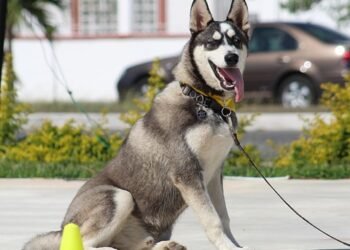









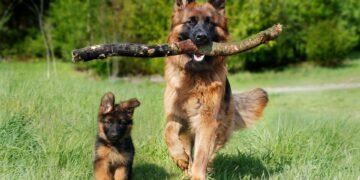












Dogs are incredible animals with vast potential waiting to be unleashed. Whether you have a new puppy or an older dog, private training techniques can help you bring out the best in your furry friend. By understanding how to effectively train your dog in a one-on-one setting, you can address specific behavior issues, improve obedience, and strengthen the bond between you and your pet.
Key Takeaways
- Private training allows for personalized attention and tailored solutions.
- Consistency and positive reinforcement are key components of successful training.
- Setting clear boundaries and expectations helps your dog understand their role.
- Building a strong bond with your dog is essential for effective training.
The Importance of Private Training
Private training offers a unique opportunity to focus solely on your dog’s individual needs and challenges. Unlike group classes, private sessions allow for personalized attention from a professional trainer who can tailor the training program to suit your dog’s specific personality and behavior. This one-on-one approach can be particularly beneficial for dogs that may struggle in a group setting or have specialized training requirements.
Consistency and Positive Reinforcement
Consistency is key when it comes to training your dog. Establishing clear rules and routines helps your dog understand what is expected of them and reinforces good behavior. Positive reinforcement, such as treats, praise, or playtime, can be powerful motivators for your dog and help them learn new behaviors more effectively. By consistently rewarding desired behaviors and ignoring or redirecting unwanted behaviors, you can shape your dog’s actions in a positive way.
Setting Boundaries and Expectations
Setting clear boundaries and expectations is essential for establishing a harmonious relationship with your dog. Clearly communicate what is and is not acceptable behavior, and be consistent in enforcing these rules. Use commands and cues consistently to help your dog understand what you want them to do. By providing a structured environment with clear guidelines, you can help your dog feel secure and confident in their role within the family.
Building a Strong Bond
A strong bond between you and your dog is the foundation of successful training. Spend quality time together, engage in activities that your dog enjoys, and show them love and affection. By building trust and a positive relationship with your dog, you create a strong connection that makes training more effective and enjoyable for both of you. Remember to be patient, understanding, and supportive as you work together to unlock your dog’s full potential.
FAQ
Q: How long does it take to see results from private training?
A: The timeline for seeing results from private training can vary depending on your dog’s individual needs and the complexity of the behaviors you are working on. Some dogs may show improvement after just a few sessions, while others may require more time and consistency to see lasting changes.
Q: What should I look for in a private trainer?
A: When choosing a private trainer for your dog, look for someone who is experienced, knowledgeable, and uses positive reinforcement techniques. Make sure the trainer has a good understanding of dog behavior and can tailor the training program to meet your dog’s specific needs.
Q: Can private training help with aggressive behavior?
A: Private training can be effective in addressing aggressive behavior in dogs, but it is important to work with a qualified trainer who has experience in dealing with aggression. The trainer can help you understand the root causes of the aggression and develop a behavior modification plan to address it safely and effectively.
Q: How can I continue training at home after private sessions are over?
A: To maintain the progress made during private training sessions, continue to practice the techniques and commands you learned with your dog at home. Consistency is key, so make sure to reinforce good behavior and provide regular training sessions to keep your dog’s skills sharp.
Sources
- https://www.akc.org/
- https://vcahospitals.com/
- https://www.aspca.org/