























Beyond the Bowl: Exploring Safe and Healthy Human Foods for Dogs
As dog owners, we all want to provide our furry friends with the best possible nutrition to keep them happy and healthy. While commercial dog food is a convenient option, many pet owners are also interested in supplementing their dog’s diet with human foods. However, it’s important to be cautious when sharing human foods with your dog, as not all foods that are safe for humans are safe for dogs. In this article, we will explore safe and healthy human foods for dogs, as well as provide practical advice on how to incorporate these foods into your dog’s diet.
Key Takeaways
- Not all human foods are safe for dogs.
- Some human foods can be toxic to dogs.
- Consult with your veterinarian before introducing new foods to your dog’s diet.
- Healthy human foods for dogs include lean meats, fruits, and vegetables.
Safe and Healthy Human Foods for Dogs
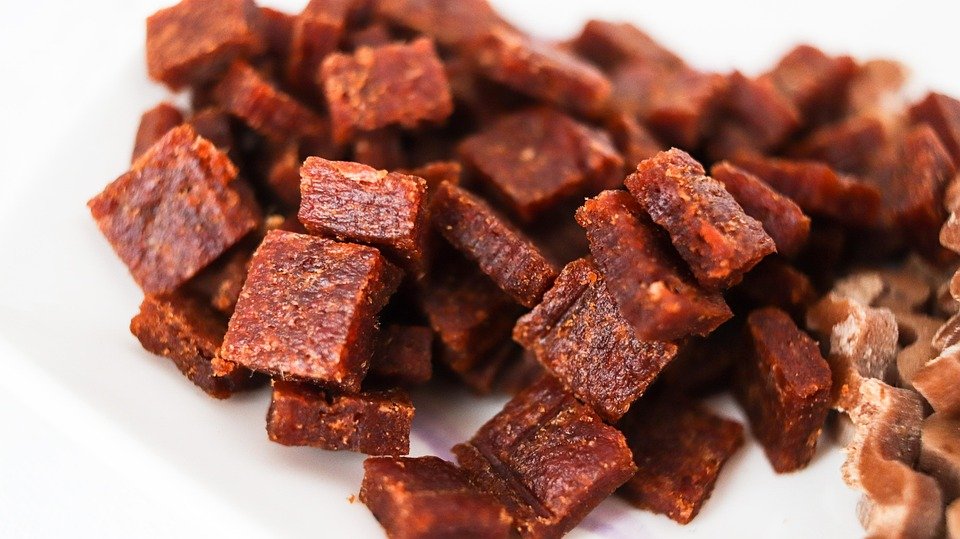
When it comes to sharing human foods with your dog, it’s important to stick to foods that are safe and healthy for them. Some human foods can be toxic to dogs, such as chocolate, grapes, and onions. However, there are plenty of human foods that can provide nutritional benefits to your dog. Lean meats, such as chicken and turkey, are a great source of protein for dogs. Fruits like apples and berries can provide vitamins and antioxidants, while vegetables like carrots and green beans offer fiber and essential nutrients.
Incorporating Human Foods into Your Dog’s Diet
If you want to incorporate human foods into your dog’s diet, it’s important to do so in moderation. Start by introducing small amounts of the new food and monitor your dog for any adverse reactions. Consult with your veterinarian before making any major changes to your dog’s diet, especially if they have any underlying health conditions. Remember that treats should make up no more than 10% of your dog’s daily caloric intake, so be mindful of portion sizes when sharing human foods with your dog.
Best Practices for Sharing Human Foods with Your Dog
When sharing human foods with your dog, there are a few best practices to keep in mind. Always wash fruits and vegetables thoroughly to remove any pesticides or harmful bacteria. Avoid giving your dog foods that are high in fat, salt, or sugar, as these can lead to obesity and other health problems. Be cautious when sharing foods that are known to be choking hazards, such as nuts or large chunks of raw vegetables. And always remember that every dog is different, so what works for one dog may not work for another.
Monitoring Your Dog’s Health and Wellbeing
As you introduce new human foods into your dog’s diet, it’s important to monitor their health and wellbeing closely. Keep an eye on their weight, energy levels, and overall appearance to ensure that they are thriving on their new diet. If you notice any changes in your dog’s behavior or health, consult with your veterinarian immediately to address any concerns.
FAQs
Can dogs eat peanut butter?
Yes, dogs can safely eat peanut butter in moderation. However, make sure to choose a peanut butter that does not contain xylitol, as this artificial sweetener can be toxic to dogs.
Is it safe for dogs to eat raw meat?
While some dogs can safely consume raw meat, there is a risk of bacterial contamination. Consult with your veterinarian before feeding your dog raw meat to ensure that it is safe for them.
Can dogs eat cheese?
Cheese can be safe for dogs to eat in moderation, but it is high in fat and calories. Be mindful of portion sizes when sharing cheese with your dog to prevent weight gain.
Are there any human foods that dogs should never eat?
Yes, there are several human foods that are toxic to dogs, including chocolate, grapes, onions, and garlic. These foods can cause serious health problems in dogs and should be avoided at all costs.