




























Mastering Control: The Ultimate Guide to Dog Training Leashes
When it comes to training your furry friend, having the right leash is essential. A leash is not only a tool for controlling your dog but also a means of communication between you and your pet. In this comprehensive guide, we will discuss the different types of dog training leashes, how to choose the right one for your dog, and tips for mastering control during walks and training sessions.
Types of Dog Training Leashes
There are several types of leashes available on the market, each serving a different purpose. Here are some of the most common types of dog training leashes:
Standard Leash
The standard leash is the most common type of leash used for everyday walks and training sessions. It is typically made of nylon or leather and comes in various lengths. Standard leashes are suitable for dogs of all sizes and breeds.
Retractable Leash
Retractable leashes are a popular choice for pet owners who want to give their dogs more freedom during walks. These leashes have a retractable cord that can be extended or retracted as needed. However, retractable leashes can be dangerous if not used properly, as they can easily get tangled or cause injuries to both the dog and the owner.
Slip Lead
A slip lead is a combination of a leash and a collar, making it easy to put on and take off your dog. This type of leash is commonly used for training purposes, as it provides more control over your dog’s movements.
Harness Leash
A harness leash is attached to a harness rather than a collar, distributing the pressure more evenly across your dog’s body. This type of leash is ideal for dogs that tend to pull or have neck injuries.
Choosing the Right Leash for Your Dog
When selecting a leash for your dog, it is essential to consider your pet’s size, breed, and behavior. Here are some tips for choosing the right leash:
Size
Make sure to choose a leash that is appropriate for your dog’s size. Small dogs may require a lighter and shorter leash, while larger breeds may need a thicker and longer leash for better control.
Breed
Consider your dog’s breed when selecting a leash. Some breeds, such as huskies or hounds, have a tendency to pull, so a harness leash may be more suitable. Breeds with neck injuries may benefit from a harness leash to prevent further damage.
Behavior
Take into account your dog’s behavior when choosing a leash. If your dog tends to pull or lunge, a slip lead or harness leash may provide better control. For well-behaved dogs, a standard leash may be sufficient.
Mastering Control During Walks
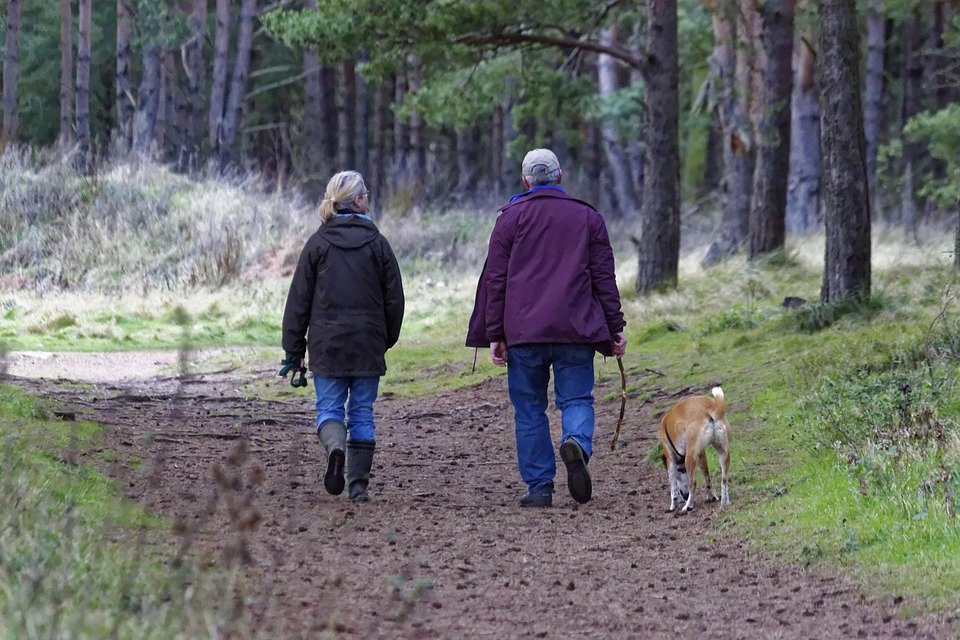
Walking your dog is not only a form of exercise but also an opportunity to reinforce good behavior and establish a strong bond with your pet. Here are some tips for mastering control during walks:
Start Slow
If your dog is not used to walking on a leash, start slow and gradually increase the duration and distance of your walks. Use treats and positive reinforcement to encourage good behavior.
Establish Rules
Set clear rules and boundaries for your dog during walks. Teach your pet to walk beside you without pulling or straying off the path. Use verbal cues and rewards to reinforce good behavior.
Be Consistent
Consistency is key when training your dog to walk on a leash. Use the same commands and rewards every time you go for a walk to ensure your pet understands what is expected of them.
Mastering Control During Training Sessions
In addition to walks, training sessions are an essential part of teaching your dog obedience and good behavior. Here are some tips for mastering control during training sessions:
Use Positive Reinforcement
Positive reinforcement is a powerful tool for training your dog. Use treats, praise, and affection to reward good behavior and encourage your pet to repeat the desired actions.
Set Clear Goals
Before starting a training session, set clear goals and objectives for what you want to achieve. Break down the training into small steps and reward your dog for each successful completion.
Be Patient
Training takes time and patience, so be patient with your dog and yourself. If your pet is struggling with a particular command, take a break and try again later. Remember that consistency is key to successful training.
Conclusion
Mastering control with your dog is a rewarding experience that requires patience, consistency, and the right tools. By choosing the right leash, establishing clear rules, and using positive reinforcement, you can effectively train your furry friend and strengthen your bond. Remember to be patient and enjoy the journey of training your dog to be a well-behaved and obedient companion.
With the tips and techniques outlined in this guide, you can take your dog training to the next level and achieve a harmonious relationship with your beloved pet.