










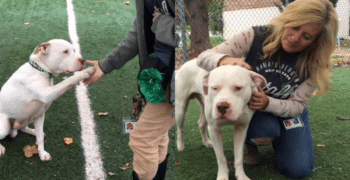





















Mastering Obedience: Unleashing the Potential of Your Pup at Local Dog Training Schools
Dogs are known to be man’s best friend, but sometimes they can also be a handful. From barking incessantly to chewing on furniture, it can be frustrating trying to train your furry friend on your own. That’s where local dog training schools come in. These schools offer expert guidance and structured programs to help your pup reach their full potential. In this article, we will discuss the benefits of enrolling your dog in a local training school, common questions about obedience training, and how to optimize your pup’s learning experience.
The Benefits of Local Dog Training Schools
Local dog training schools provide a supportive environment for both you and your pup. Trainers are experienced in working with a variety of breeds and temperaments, so they can tailor their approach to suit your dog’s needs. Additionally, training schools offer structured programs that focus on obedience, socialization, and behavior modification. By enrolling your pup in a local training school, you can expect to see improvements in their behavior, communication, and overall well-being.
One of the main advantages of local dog training schools is the socialization aspect. Dogs are pack animals by nature, so interacting with other dogs in a controlled environment can help them learn proper social cues and behavior. This can prevent aggression, fear, and other behavioral issues down the line. Additionally, training schools provide a consistent routine that helps your pup understand boundaries and expectations. This can lead to a stronger bond between you and your dog, as well as a more harmonious household.
Common Questions About Obedience Training
Before enrolling your pup in a local dog training school, you may have some questions about the process. Here are some common questions and answers to help you make an informed decision:
What age should my dog be to start obedience training?
While it’s never too late to start training your dog, it’s best to begin obedience training when they are still a puppy. Puppies are like sponges, soaking up information and learning quickly. However, older dogs can also benefit from obedience training, so don’t hesitate to enroll your pup regardless of their age.
How long does it take to see results from obedience training?
Every dog is different, so the timeline for seeing results can vary. Some dogs may show improvement after just a few sessions, while others may take longer to grasp the concepts. Consistency is key when it comes to obedience training, so be patient and trust the process.
What if my dog has behavioral issues?
Many local dog training schools offer behavior modification programs to address specific issues such as aggression, anxiety, and fear. Trainers are experienced in working with dogs of all temperaments, so they can provide the support and guidance needed to help your pup overcome their challenges.
Optimizing Your Pup’s Learning Experience
To maximize your pup’s learning experience at a local dog training school, there are a few things you can do to set them up for success. First, establish a consistent routine at home by practicing obedience commands and reinforcing positive behavior. This will help your dog understand what is expected of them and make the transition to training school smoother.
Additionally, make sure to communicate with your trainer about any specific goals or concerns you have for your pup. Trainers can tailor their approach to address your dog’s individual needs and help them reach their full potential. Be open to feedback and suggestions from the trainer, as they have the expertise to guide you and your pup through the training process.
Finally, practice patience and consistency in your training efforts. Obedience training is a journey that requires time, effort, and dedication. Celebrate small victories along the way and remember that progress takes time. By staying committed to your pup’s training, you can unleash their full potential and build a strong, lasting bond with your furry friend.
Conclusion
Local dog training schools offer a wealth of benefits for both you and your pup. From socialization and behavior modification to structured programs and expert guidance, these schools provide the tools and support needed to help your dog reach their full potential. By enrolling your pup in a local training school, you can see improvements in their behavior, communication, and overall well-being. Remember to ask questions, set goals, and stay committed to the training process. With patience and consistency, you can unlock your pup’s potential and enjoy a harmonious relationship with your furry friend.