










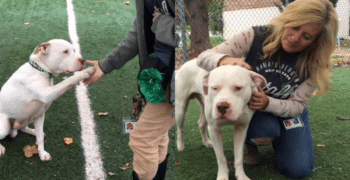





















Pawsitively Healthy: A Guide to Keeping Your Dog in Prime Condition
As dog owners, we all want our furry friends to be happy, healthy, and thriving. Just like humans, dogs require proper care, nutrition, and exercise to maintain their overall well-being. In this comprehensive guide, we will delve into various aspects of dog care to help you keep your canine companion in prime condition.
Proper Nutrition
One of the most important factors in maintaining your dog’s health is providing them with a balanced and nutritious diet. Just like humans, dogs require a mix of proteins, fats, carbohydrates, vitamins, and minerals to thrive. It’s essential to choose high-quality dog food that meets your pet’s specific nutritional needs. Look for brands that use real meat as the first ingredient and avoid foods with fillers, artificial colors, and preservatives.
It’s also important to monitor your dog’s portion sizes and avoid overfeeding, as obesity can lead to a host of health problems. Consult with your veterinarian to determine the best diet for your dog based on their age, breed, and activity level.
Regular Exercise
Exercise is another crucial component of keeping your dog healthy and happy. Regular physical activity helps maintain a healthy weight, promotes cardiovascular health, and provides mental stimulation. Depending on your dog’s breed and energy level, they may require varying amounts of exercise.
For high-energy breeds like Border Collies or Labrador Retrievers, daily walks, runs, or play sessions are essential to burn off excess energy. On the other hand, less active breeds like Bulldogs or Pugs may be content with shorter walks or gentle playtime in the backyard.
Consider incorporating activities like agility training, hiking, or swimming to keep your dog engaged and physically fit. Remember to always provide plenty of water and rest breaks during exercise, especially on hot days.
Regular Vet Check-ups
Regular visits to the veterinarian are essential for maintaining your dog’s health. Annual check-ups allow your vet to monitor your dog’s overall well-being, administer necessary vaccinations, and address any potential health concerns before they escalate.
During vet visits, your veterinarian may also recommend preventive measures such as flea and tick prevention, heartworm medication, and dental care. These preventive measures are crucial for keeping your dog healthy and preventing common ailments.
If you notice any changes in your dog’s behavior, appetite, or energy levels, don’t hesitate to schedule an appointment with your vet. Early detection of health issues can lead to more successful treatment outcomes.
Dental Care
Proper dental care is often overlooked but is essential for your dog’s overall health. Dental issues can lead to bad breath, tooth decay, and even systemic health problems if left untreated. It’s important to establish a regular dental care routine for your dog to prevent tartar buildup and gum disease.
Brushing your dog’s teeth regularly with a canine toothbrush and toothpaste is the most effective way to remove plaque and prevent dental problems. Additionally, providing dental chews, toys, or treats can help reduce tartar and keep your dog’s teeth clean.
If your dog shows signs of dental issues such as bad breath, bleeding gums, or difficulty eating, consult with your vet to address the problem promptly. Your vet may recommend professional dental cleaning under anesthesia to remove plaque and tartar buildup.
Supplements
In addition to a balanced diet, some dogs may benefit from dietary supplements to support their overall health. Supplements such as omega-3 fatty acids, glucosamine, and probiotics can help improve skin and coat health, joint function, and digestive health.
Before adding any supplements to your dog’s diet, consult with your veterinarian to ensure they are safe and appropriate for your pet. Your vet can recommend specific supplements based on your dog’s individual needs and health concerns.
Mental Stimulation
Mental stimulation is just as important as physical exercise for keeping your dog healthy and happy. Dogs are intelligent and social creatures that thrive on mental challenges and interaction. Boredom can lead to destructive behaviors, anxiety, and depression in dogs.
Provide your dog with puzzle toys, interactive games, training sessions, and socialization opportunities to keep their minds engaged and stimulated. Regular playtime, walks in new environments, and exposure to new sights and smells can also provide mental stimulation for your dog.
Engage in activities that tap into your dog’s natural instincts, such as scent work, retrieving games, or obedience training. Mental stimulation not only keeps your dog entertained but also strengthens the bond between you and your furry friend.
Conclusion
By following the tips and guidelines outlined in this guide, you can ensure that your dog stays pawsitively healthy and in prime condition. Proper nutrition, regular exercise, vet check-ups, dental care, supplements, and mental stimulation are all vital components of maintaining your dog’s overall well-being.
Remember that every dog is unique, so it’s important to tailor your care routine to meet your pet’s individual needs. Consult with your veterinarian for personalized recommendations and guidance on how to keep your dog happy and healthy for years to come.
With proper care, love, and attention, your dog will thrive and bring joy to your life for many years to come. Here’s to a pawsitively healthy future for you and your furry companion!