





















Stay Warm and Stylish: The Ultimate Guide to Dog Coats for Every Season
Introduction
As dog owners, we want to ensure our furry friends are comfortable and protected in all types of weather. One way to keep your dog warm and stylish is by investing in a quality coat. Dog coats come in a variety of styles, materials, and designs to suit every season and climate. In this ultimate guide, we will explore the different types of dog coats available and provide tips on how to choose the right one for your pet.
Why Does My Dog Need a Coat?
Just like humans, dogs can feel the cold and discomfort of harsh weather conditions. While some breeds are naturally equipped to handle colder temperatures, others may benefit from an extra layer of protection. Dog coats can help regulate your pet’s body temperature, keeping them warm in the winter and cool in the summer. They also provide a barrier against wind, rain, and snow, helping to prevent hypothermia and other cold-related illnesses.
Types of Dog Coats
There are several types of dog coats to choose from, each designed for specific weather conditions and activities. Here are some of the most common types:
Winter Coats
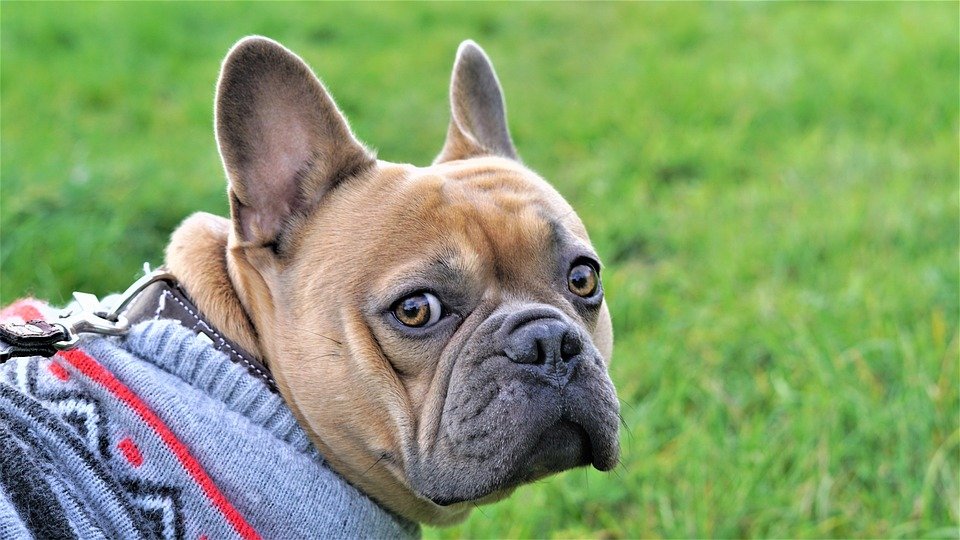
Winter coats are designed to keep your dog warm and cozy in cold temperatures. They are typically made from insulating materials such as fleece, faux fur, or waterproof fabrics. Winter coats often have a quilted lining and a high collar to protect your dog’s neck and chest from the cold. Some winter coats also feature reflective strips for added visibility during dark winter nights.
Raincoats
Raincoats are essential for keeping your dog dry and comfortable in wet weather. They are usually made from waterproof materials such as nylon or polyester, with a hood to protect your pet’s head and ears from the rain. Some raincoats also have adjustable straps and Velcro closures for a secure fit. Look for a raincoat with a breathable lining to prevent your dog from overheating on rainy days.
Summer Coats
Summer coats are designed to keep your dog cool and protected from the sun’s harmful rays. They are usually made from lightweight, breathable fabrics such as cotton or mesh. Summer coats often have a UV-protective coating to shield your pet’s skin from sunburn. Some summer coats also feature reflective panels to increase visibility during hot summer days.
Active Coats
Active coats are designed for dogs who lead an active lifestyle and enjoy outdoor adventures. They are usually made from durable, water-resistant materials such as nylon or polyester. Active coats are lightweight and flexible, allowing your dog to move freely while staying warm and dry. Some active coats also have adjustable straps and reinforced stitching for added durability.
How to Choose the Right Dog Coat
When choosing a dog coat for your pet, consider the following factors:
Size
It’s important to measure your dog’s chest, neck, and back length to ensure a proper fit. A coat that is too tight can restrict your pet’s movement, while a coat that is too loose may slip off or get caught on objects. Look for coats with adjustable straps or Velcro closures for a customized fit.
Material
Consider the climate and weather conditions in your area when choosing a coat material. For cold temperatures, opt for insulating fabrics such as fleece or faux fur. For wet weather, choose a waterproof material such as nylon or polyester. For hot temperatures, select a lightweight, breathable fabric such as cotton or mesh.
Design
Choose a coat design that suits your dog’s needs and preferences. Some dogs may prefer a coat with a hood for added protection, while others may prefer a coat with a high collar for extra warmth. Look for coats with reflective strips or panels for added visibility during low-light conditions.
Activity Level
Consider your dog’s activity level when choosing a coat. Active dogs may benefit from a lightweight, flexible coat that allows for freedom of movement. Dogs who spend a lot of time outdoors may need a durable, water-resistant coat that can withstand rough terrain.
Caring for Your Dog Coat
To ensure your dog coat stays in top condition, follow these care tips:
– Follow the manufacturer’s instructions for washing and drying your dog coat.
– Store your dog coat in a cool, dry place away from direct sunlight.
– Inspect your dog coat regularly for signs of wear and tear and replace it if necessary.
– Keep your dog coat clean and free of dirt, debris, and pet hair.
Conclusion
Dog coats are a practical and stylish way to keep your pet warm and protected in all types of weather. By choosing the right coat for your dog’s needs and preferences, you can ensure they stay comfortable and stylish year-round. Whether you’re looking for a winter coat, raincoat, summer coat, or active coat, there are plenty of options available to suit your pet’s unique personality and lifestyle. Stay warm and stylish with the ultimate guide to dog coats for every season!