






























The Ultimate Guide to Leash Training: Keeping Your Pup Safe and Secure
Introduction
Leash training is an essential skill for any dog owner. Not only does it keep your pup safe and secure, but it also helps you establish control and build a strong bond with your furry friend. In this comprehensive guide, we will cover everything you need to know about leash training, from choosing the right leash to teaching your dog proper leash manners.
Choosing the Right Leash
The first step in leash training is choosing the right leash for your dog. There are several types of leashes available, including standard leashes, retractable leashes, and training leashes. Each type has its pros and cons, so it’s important to consider your dog’s size, strength, and behavior when selecting a leash.
Standard Leashes
Standard leashes are the most common type of leash and come in a variety of materials, lengths, and widths. They are ideal for everyday walks and training sessions, as they provide good control and are easy to handle.
Retractable Leashes
Retractable leashes are popular for their flexibility and convenience. They allow your dog to explore more freely while still giving you control over their movements. However, retractable leashes can be dangerous if not used properly, as they can easily tangle or break.
Training Leashes
Training leashes, such as slip leads or chain leashes, are designed to help you teach your dog proper leash manners. They provide more control and can be useful for dogs that tend to pull or lunge while on a leash.
Getting Started with Leash Training
Once you have chosen the right leash for your dog, it’s time to start leash training. Here are some tips to help you get started:
Start Early
It’s never too early to start leash training. Puppies as young as 8 weeks old can begin learning to walk on a leash. Starting early will help your dog develop good habits and prevent future behavior problems.
Use Positive Reinforcement
Positive reinforcement is key to successful leash training. Reward your dog with treats, praise, or toys when they walk nicely on a leash. This will help them associate leash walking with positive experiences and encourage them to continue behaving well.
Be Consistent
Consistency is essential in leash training. Use the same commands and techniques every time you walk your dog on a leash. This will help them understand what is expected of them and make the training process more effective.
Teaching Proper Leash Manners
One of the most important aspects of leash training is teaching your dog proper leash manners. Here are some tips to help you teach your dog to walk nicely on a leash:
Practice Loose Leash Walking
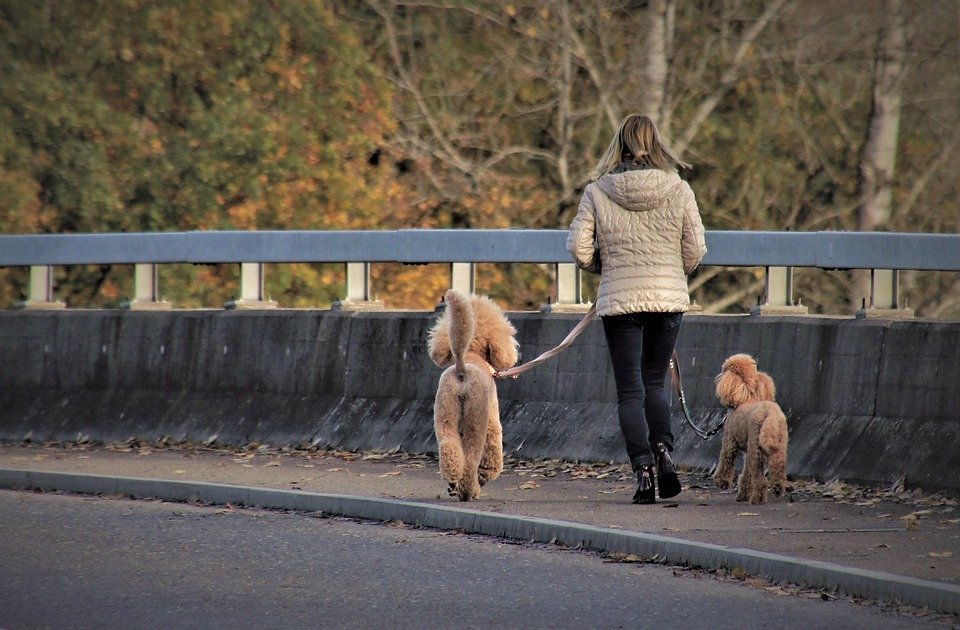
The goal of leash training is to teach your dog to walk on a loose leash without pulling or lunging. Start by practicing in a quiet, distraction-free environment and reward your dog for walking calmly by your side.
Use Stop and Go Technique
If your dog starts pulling on the leash, stop walking and wait for them to calm down before continuing. This will teach them that pulling on the leash will not get them where they want to go.
Work on Focus and Attention
Encourage your dog to focus on you while walking on a leash by using treats or toys to keep their attention. This will help them stay engaged and responsive to your commands.
Common Leash Training Challenges
Leash training can be challenging, especially if your dog has a strong prey drive or is easily distracted. Here are some common challenges you may encounter during leash training and how to address them:
Pulling on the Leash
If your dog pulls on the leash, stop walking and wait for them to calm down before continuing. You can also try using a front-clip harness or head halter to discourage pulling.
Lunging at Other Dogs or People
If your dog lunges at other dogs or people while on a leash, redirect their attention with treats or toys. You can also try walking in the opposite direction to avoid triggering their reactive behavior.
Chewing or Biting the Leash
If your dog chews or bites the leash, distract them with a toy or treat to redirect their behavior. You can also try using a bitter-tasting spray on the leash to discourage chewing.
Conclusion
Leash training is a crucial skill for any dog owner. By choosing the right leash, using positive reinforcement, and teaching proper leash manners, you can ensure that your pup stays safe and secure during walks. Remember to be patient and consistent in your training efforts, and don’t hesitate to seek professional help if you encounter challenges along the way. With dedication and perseverance, you and your furry friend can enjoy many happy walks together.