










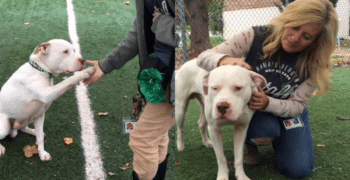





















Unleash Your Dog’s Potential: The Power of Leash Training
Leash training is an essential part of owning a dog. Not only does it provide safety and control when out for walks, but it also helps unleash your dog’s potential by teaching them proper behavior and manners. In this article, we will explore the benefits of leash training, common questions about the process, and tips for successful training.
Why Leash Training is Important
Leash training is crucial for several reasons. Firstly, it ensures the safety of your dog and those around them. By teaching your dog to walk properly on a leash, you can prevent them from running into dangerous situations such as traffic or aggressive animals. Additionally, leash training helps establish you as the leader of the pack, which can lead to better behavior overall.
Furthermore, leash training provides mental stimulation for your dog. By going on walks and exploring new environments, your dog is able to engage their senses and stay mentally sharp. This can prevent boredom and destructive behavior at home.
Common Questions About Leash Training
When should I start leash training my dog?
It is best to start leash training your dog as soon as possible. Puppies can begin learning basic leash manners as early as 8 weeks old. By starting early, you can prevent bad habits from forming and establish a strong foundation for future training.
How long does leash training take?
Leash training can vary in length depending on the dog and their previous experiences. Some dogs may pick up leash training quickly, while others may require more time and patience. Consistency is key, so be prepared to dedicate time each day to practice with your dog.
What equipment do I need for leash training?
The most important piece of equipment for leash training is a sturdy, comfortable leash and collar. Choose a leash that is the appropriate length for your dog’s size and strength. Additionally, consider using a harness for dogs that tend to pull or have neck issues.
Tips for Successful Leash Training
Start in a quiet, familiar environment
When beginning leash training, start in a quiet, familiar environment such as your backyard or living room. This will help your dog feel more comfortable and focused on the training. Once they have mastered walking on a leash in a familiar setting, gradually introduce new environments and distractions.
Use positive reinforcement
Positive reinforcement is key to successful leash training. Reward your dog with treats, praise, and affection when they exhibit good leash manners. This will help them associate walking on a leash with positive experiences and encourage them to continue behaving well.
Be patient and consistent
Leash training takes time and patience. Be consistent with your training sessions and do not get discouraged if progress is slow. Remember that every dog learns at their own pace, so be patient and continue practicing regularly.
Conclusion
Leash training is a powerful tool for unleashing your dog’s potential. By teaching them proper leash manners, you can ensure their safety, establish yourself as the leader, and provide mental stimulation. Remember to start early, be patient and consistent, and use positive reinforcement for best results. With dedication and practice, you can help your dog become a well-behaved and well-adjusted companion.
So, grab your leash and get ready to unleash your dog’s potential through the power of leash training!