























Surviving the Chill: Essential Winter Tips for Keeping Your Pup Happy and Healthy
Winter can be a challenging time for our furry friends. The cold weather, snow, and ice can pose various risks to your pup’s health and happiness. However, with the right preparation and care, you can ensure that your dog stays safe and comfortable during the winter months. In this article, we will provide you with essential winter tips for keeping your pup happy and healthy.
1. Keep Your Pup Warm
Just like humans, dogs can feel the cold too. It is important to keep your pup warm during the winter months. Make sure your dog has a warm and cozy bed to sleep in, especially if they spend a lot of time outdoors. You can also consider getting your pup a winter coat or sweater to help them stay warm when they go outside.
Tip:
Limit the time your dog spends outside in cold weather, especially if they are not used to it. If your pup starts shivering or lifting their paws off the ground, it’s time to head back inside.
2. Protect Your Pup’s Paws
The cold weather can be tough on your pup’s paws. Ice, snow, and salt can all cause irritation and even injury to your dog’s sensitive paw pads. To protect your pup’s paws, consider using booties or paw wax when you go for walks in the winter. You can also wipe your dog’s paws with a warm, damp cloth after being outside to remove any salt or ice melt.
Tip:
Trim the hair between your dog’s paw pads to prevent ice balls from forming and causing discomfort.
3. Stay Active
It can be tempting to hibernate during the winter months, but it’s important to keep your pup active and engaged. Regular exercise is essential for your dog’s physical and mental well-being. Consider indoor activities like playing fetch in the hallway or teaching your pup new tricks to keep them entertained and active.
Tip:
If it’s too cold to go for a long walk outside, try setting up a mini obstacle course in your living room for your pup to navigate.
4. Watch for Signs of Hypothermia
Hypothermia can be a serious risk for dogs in cold weather. Watch for signs of hypothermia, such as shivering, lethargy, and pale gums. If you suspect your dog is suffering from hypothermia, wrap them in a warm blanket and seek veterinary care immediately.
Tip:
Always keep an eye on your pup when they are outside in cold weather, and bring them indoors if you notice any signs of discomfort.
5. Provide Plenty of Water
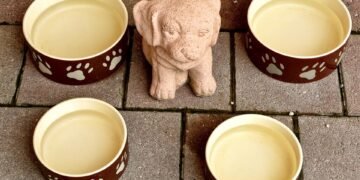
It’s important to ensure that your pup stays hydrated during the winter months. The dry air and cold weather can cause your dog to become dehydrated, so make sure they have access to fresh water at all times. Consider adding warm water or broth to your dog’s food to help keep them hydrated and warm.
Tip:
Check your dog’s water bowl regularly to make sure it hasn’t frozen over. Consider using a heated water bowl to prevent freezing.
6. Groom Your Pup Regularly
Regular grooming is important for your dog’s overall health and well-being, especially during the winter months. Keep your pup’s coat clean and well-brushed to help them stay warm and prevent matting. If your dog has long hair, consider getting them a trim to prevent ice and snow from getting caught in their fur.
Tip:
Use a pet-safe moisturizing shampoo and conditioner to keep your dog’s skin and coat healthy during the winter.
7. Consider Your Dog’s Age and Breed
It’s important to consider your dog’s age and breed when preparing for winter. Puppies, senior dogs, and small breeds are more susceptible to the cold and may need extra care during the winter months. Older dogs with arthritis may benefit from a heated bed or additional blankets to keep them comfortable.
Tip:
Consult with your veterinarian to determine the best winter care plan for your dog based on their age, breed, and health needs.
8. Create a Cozy Indoor Space
Your pup will appreciate a warm and cozy indoor space to retreat to during the winter months. Create a comfortable area with plenty of blankets, pillows, and toys for your dog to relax in. Consider setting up a space heater or heated bed to keep your pup extra warm and comfortable.
Tip:
Make sure your dog’s indoor space is free from drafts and cold air. Avoid placing your dog’s bed near windows or doors where they may be exposed to cold drafts.
Conclusion
By following these essential winter tips, you can help your pup stay happy and healthy during the cold weather months. Remember to keep your dog warm, protect their paws, stay active, watch for signs of hypothermia, provide plenty of water, groom your pup regularly, consider their age and breed, and create a cozy indoor space for them to relax in. With the right care and attention, your pup can enjoy the winter season to the fullest.