





















As dogs age, they may encounter dental issues that make it difficult for them to chew their food properly. Senior dogs without teeth require special consideration when it comes to their diet to ensure they are getting the nutrition they need while still enjoying their meals. In this article, we will explore the best food options for senior dogs without teeth, including soft and savory choices that are both palatable and easy to eat.
Key Takeaways
- Soft and savory foods are ideal for senior dogs without teeth.
- Pate-style wet foods are easy to eat and digest for dogs with dental issues.
- Soft kibble can be a good option for senior dogs who still have some teeth.
- Consult with your veterinarian to find the best diet for your senior dog.
1. Pate-Style Wet Foods
Pate-style wet foods are an excellent choice for senior dogs without teeth. These foods have a smooth, soft texture that is easy for dogs to lap up without the need for chewing. They are also highly palatable, making them a favorite among many dogs. Look for wet foods that are specifically formulated for senior dogs to ensure they meet the nutritional needs of your aging pet.
2. Soft Kibble
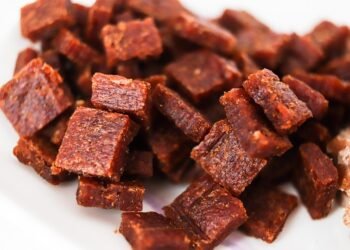
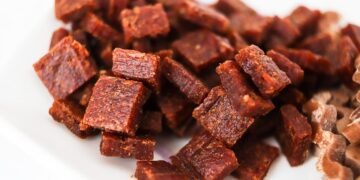
For senior dogs who still have some teeth but struggle with chewing harder kibble, soft kibble can be a good option. These kibbles are specially formulated to be softer and easier to chew, making mealtime more enjoyable for your furry friend. Soft kibble is available in a variety of flavors and formulations, so you can choose the one that best suits your dog’s preferences and dietary needs.
3. Homemade Soft Food Recipes
If you prefer to make your dog’s food at home, there are plenty of soft and savory recipes you can try. Cooked ground meat, rice, and vegetables can be mixed together to create a nutritious and easy-to-eat meal for your senior dog. Just be sure to consult with your veterinarian or a canine nutritionist to ensure the recipe meets your dog’s specific dietary requirements.
4. Dental Health Supplements
In addition to soft and savory foods, dental health supplements can also be beneficial for senior dogs without teeth. These supplements can help support your dog’s overall oral health and provide important nutrients that may be lacking in their diet. Talk to your vet about incorporating dental health supplements into your dog’s daily routine to keep their mouth healthy and their body strong.
FAQ
Q: How do I know if my senior dog has dental issues?
A: Some signs of dental issues in senior dogs include bad breath, difficulty eating, pawing at the mouth, and swollen gums. Regular dental check-ups with your veterinarian can help identify any problems early on.
Q: Can senior dogs without teeth still enjoy their meals?
A: Yes, senior dogs without teeth can still enjoy their meals with the right food options. Soft and savory foods that are easy to eat and digest can make mealtime a pleasant experience for your furry friend.
Q: Should I consult with my vet before changing my senior dog’s diet?
A: Yes, it is always a good idea to consult with your veterinarian before making any significant changes to your senior dog’s diet. They can provide valuable guidance on the best food options for your pet’s specific needs.
Q: Are there any specific nutrients that senior dogs without teeth need in their diet?
A: Senior dogs without teeth may benefit from soft foods that are high in protein and easily digestible. Look for foods that are formulated for senior dogs and consult with your vet to ensure your pet is getting all the necessary nutrients.