

























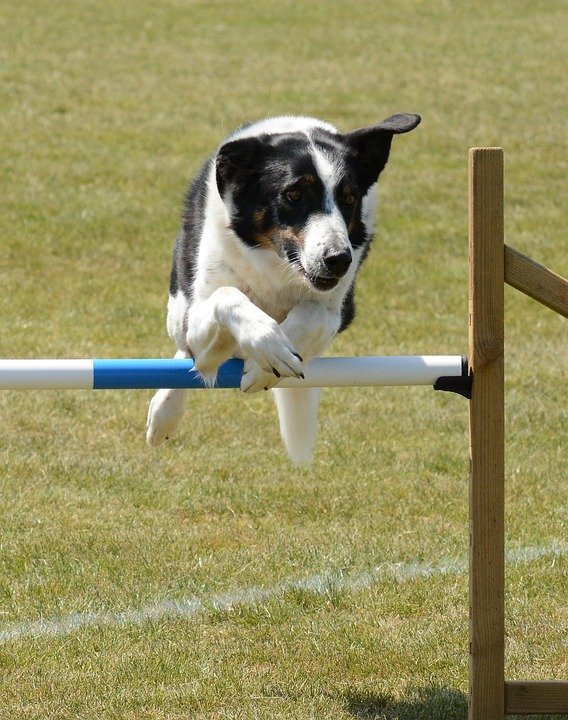
Dogs are intelligent and capable creatures that thrive on mental stimulation and positive reinforcement. Training your dog not only helps them become well-behaved companions but also unlocks their full potential. If you’re looking for free training resources near you, you’re in luck! Many organizations offer free or low-cost training classes to help you and your furry friend succeed. Whether you have a new puppy or an older dog, training can make a world of difference in your relationship.
Key Takeaways
- Free training resources are available for dogs in many locations.
- Training your dog can improve their behavior and strengthen your bond.
- Positive reinforcement is key to successful training.
- Consistency and patience are essential when training your dog.
Find Local Training Classes
One of the best ways to unlock your dog’s potential is by enrolling them in a local training class. Many pet stores, shelters, and dog trainers offer free or low-cost classes to help you teach your dog basic obedience skills. These classes provide a great opportunity for socialization and can help your dog learn to focus and follow commands in a distracting environment. Check with your local pet stores or shelters to see if they offer any upcoming classes that you and your dog can attend together.
Utilize Online Resources
If you prefer to train your dog at home, there are plenty of free online resources available to help you. Websites, videos, and apps can provide step-by-step guides on how to teach your dog basic commands, address behavior issues, and even train them for specific activities like agility or therapy work. Make sure to choose reputable sources that focus on positive reinforcement techniques to ensure the best results for your furry friend.
Practice Consistency and Patience
Training your dog takes time, patience, and consistency. Make sure to set aside dedicated training sessions each day to work on new commands or behaviors. Keep training sessions short and positive to prevent your dog from becoming frustrated or bored. Remember to reward good behavior with treats, praise, or playtime to reinforce the desired actions. Consistency is key, so make sure that everyone in your household is on board with the training plan and uses the same commands and rewards.
Focus on Positive Reinforcement
Positive reinforcement is the most effective way to train your dog. Instead of punishing bad behavior, focus on rewarding good behavior to encourage your dog to repeat it. Use treats, praise, and toys to reinforce commands and behaviors that you want to see more of. Avoid using harsh punishments or physical corrections, as they can damage the trust between you and your dog. Remember to be patient and consistent in your training approach to see the best results.
FAQ
Q: How often should I train my dog?
A: It’s best to train your dog in short sessions multiple times a day. Keep training sessions fun and engaging to maintain your dog’s interest and focus.
Q: Can old dogs learn new tricks?
A: Yes, dogs of all ages can learn new behaviors and commands with the right training approach. It may take older dogs longer to pick up new skills, but patience and consistency can help them succeed.
Q: What should I do if my dog is not responding to training?
A: If your dog is struggling with training, take a step back and reassess your approach. Make sure you’re using positive reinforcement techniques and consider seeking help from a professional trainer for additional guidance.
Q: How can I reinforce good behavior without treats?
A: While treats are a common reward for good behavior, you can also use praise, petting, or playtime as alternative rewards. Experiment with different types of reinforcement to see what motivates your dog the most.