

























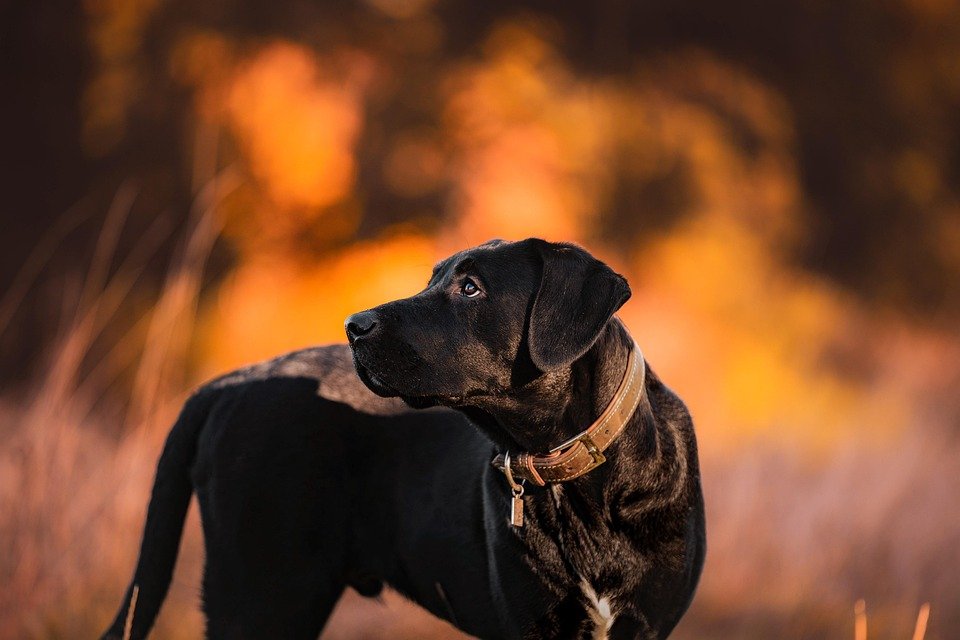
Aggression in dogs can be a serious issue that requires expert training to address effectively. Taming the Beast: Expert Dog Aggression Training Near You offers a comprehensive approach to dealing with aggressive behavior in dogs. Whether your pet is displaying aggression towards other animals, people, or objects, it is important to seek out professional help to ensure the safety of everyone involved.
Key Takeaways
- Aggression in dogs can be a serious issue that requires expert training.
- Seeking out professional help is important to ensure the safety of everyone involved.
- Training should be tailored to the specific needs and behavior of the individual dog.
- Consistency and patience are key when working to address aggression in dogs.
Understanding Dog Aggression
Aggression in dogs can manifest in a variety of ways, including growling, snarling, snapping, and biting. It is important to understand the root cause of the aggression in order to address it effectively. Some common reasons for aggression in dogs include fear, territorial behavior, resource guarding, and frustration. Working with a professional trainer who specializes in aggression can help identify the underlying cause and develop a tailored training plan.
Training Techniques for Aggressive Dogs
When working with an aggressive dog, it is important to use positive reinforcement techniques to encourage good behavior. This can include rewarding calm and non-aggressive behavior with treats or praise. It is also important to set clear boundaries and establish a consistent routine to help the dog feel secure and reduce anxiety. Training sessions should be short and frequent to keep the dog engaged and focused.
Socialization and Desensitization
Socialization is an important aspect of training for aggressive dogs, as it can help them learn how to interact with other animals and people in a positive way. Desensitization techniques can also be helpful in reducing aggression, by gradually exposing the dog to the triggers of their aggression in a controlled environment. This can help the dog learn to remain calm in situations that would normally provoke a negative reaction.
Managing Aggression in the Home
It is important to create a safe and secure environment for an aggressive dog, to prevent any potential incidents. This can include using baby gates or crates to limit access to certain areas of the home, and keeping valuable items out of reach to avoid resource guarding behavior. Consistency in training and providing ample exercise and mental stimulation can also help reduce aggression in the home.
FAQ
What should I do if my dog shows aggression towards other animals?
If your dog displays aggression towards other animals, it is important to seek out professional help to address the behavior. A trainer who specializes in aggression can help identify the root cause of the aggression and develop a training plan to address it effectively.
How can I prevent my dog from becoming aggressive towards people?
Preventing aggression towards people involves socialization, training, and creating a safe environment for your dog. Positive reinforcement techniques can help encourage good behavior, while setting clear boundaries and providing consistent training can help prevent aggression towards people.
Is it possible to train an older dog out of aggressive behavior?
While it may be more challenging to train an older dog out of aggressive behavior, it is still possible with the help of a professional trainer. Consistency, patience, and positive reinforcement techniques can all contribute to successfully addressing aggression in older dogs.
How long does it take to see improvements in an aggressive dog’s behavior?
The timeline for seeing improvements in an aggressive dog’s behavior can vary depending on the individual dog and the severity of the aggression. Consistency in training, patience, and positive reinforcement are key factors in seeing progress, but it is important to remember that every dog is different and may respond to training at their own pace.
Sources
- https://www.akc.org/
- https://vcahospitals.com/
- https://www.aspca.org/