























As our beloved furry friends age, their nutritional needs change. It’s important for senior dogs to have a diet that supports their aging bodies and helps them maintain optimal health and vitality. In this article, we will explore the top nutritious options for senior pups to ensure they are getting the best possible nutrition in their golden years.
Key Takeaways
- Senior dogs require a diet that is lower in calories and higher in protein to support muscle maintenance.
- Consider switching to a senior-specific dog food formula to ensure your pup is getting the right nutrients.
- Incorporate fresh fruits and vegetables into your senior dog’s diet for added vitamins and minerals.
- Consult with your veterinarian to create a customized diet plan for your senior pup based on their individual needs.
1. Importance of a Senior-Specific Diet
As dogs age, their metabolism slows down and they may become less active. This means they require fewer calories to maintain a healthy weight. Senior-specific dog food formulas are designed to meet the nutritional needs of older dogs, with lower calorie content and higher protein levels to support muscle maintenance. These formulas also often contain added supplements such as glucosamine and chondroitin to support joint health, which is important for many senior dogs.
2. Protein-Rich Diet for Muscle Maintenance
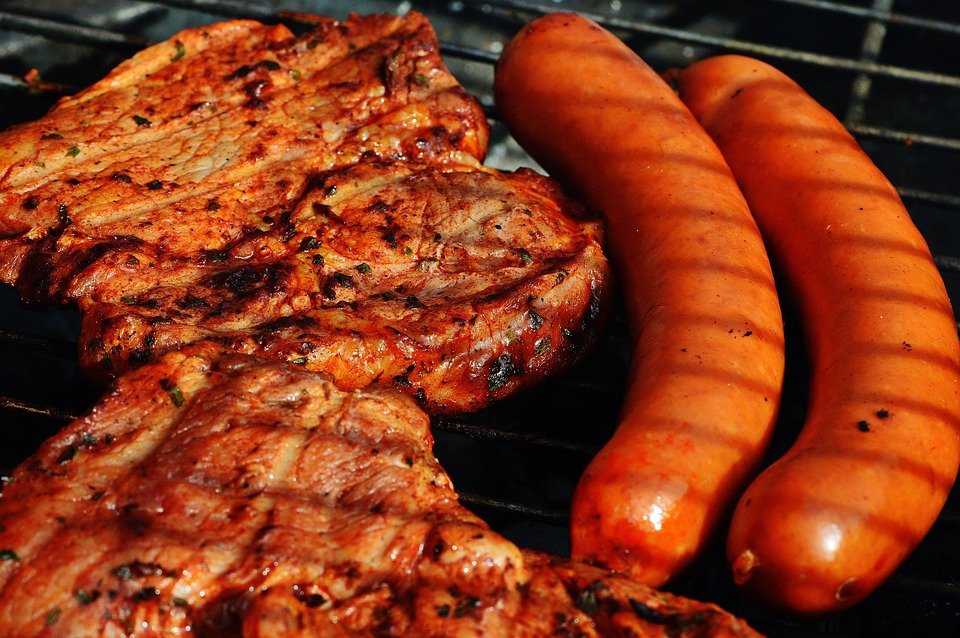
Protein is essential for maintaining muscle mass, which can decline in senior dogs. Look for dog foods that have high-quality protein sources such as chicken, beef, or fish. Additionally, consider supplementing your senior dog’s diet with lean meats or eggs to boost their protein intake. Protein-rich diets can help prevent muscle loss and keep your senior pup strong and active.
3. Incorporating Fresh Fruits and Vegetables
Fresh fruits and vegetables are a great addition to any dog’s diet, including seniors. They provide essential vitamins, minerals, and antioxidants that can help support your dog’s overall health. Some senior dogs may have trouble chewing hard fruits and vegetables, so consider steaming or pureeing them for easier digestion. Popular options include carrots, sweet potatoes, blueberries, and spinach.
4. Customizing Your Senior Dog’s Diet
Every dog is unique, and their nutritional needs can vary based on factors such as breed, size, and health conditions. It’s important to work with your veterinarian to create a customized diet plan for your senior pup. Your vet can help determine the right balance of nutrients based on your dog’s individual needs and make recommendations for specific foods or supplements that may benefit them.
FAQ
1. How often should I feed my senior dog?
Senior dogs may benefit from smaller, more frequent meals to aid digestion and maintain energy levels. It’s generally recommended to feed senior dogs twice a day, but consult with your vet for specific guidance based on your dog’s age, activity level, and health status.
2. Are there any foods I should avoid feeding my senior dog?
Avoid feeding your senior dog foods that are high in fat, sodium, or preservatives, as these can contribute to weight gain, hypertension, and other health issues. Additionally, certain foods like grapes, raisins, and chocolate can be toxic to dogs and should always be kept out of reach.
3. Should I consider supplements for my senior dog?
Supplements can be beneficial for some senior dogs, especially those with joint issues or other health conditions. Common supplements for seniors include glucosamine, omega-3 fatty acids, and probiotics. Talk to your vet about whether supplements may be appropriate for your dog and which ones are recommended.
4. How can I tell if my senior dog is getting the right nutrition?
Monitor your senior dog’s weight, energy levels, coat condition, and overall well-being to assess whether they are getting the right nutrition. If you notice any changes in appetite, digestion, or behavior, consult with your vet to adjust their diet as needed.