






















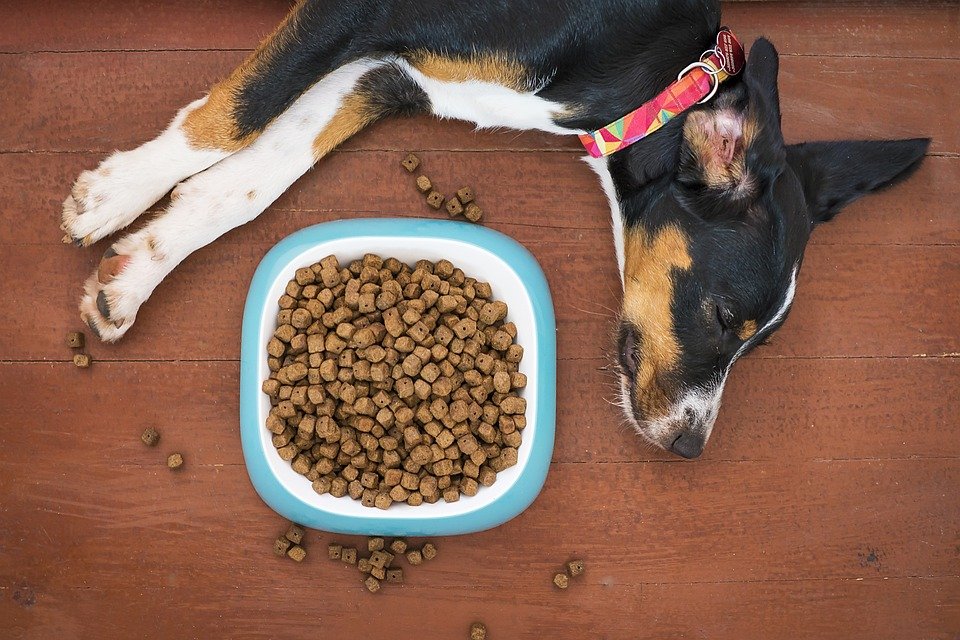
Dogs, like humans, can suffer from allergies and weight issues. Finding the right dog food that helps with shedding pounds and soothes allergies is crucial for their well-being. In this comprehensive guide, we will explore the top dog food options that can help address these concerns.
Key Takeaways
- Look for dog food that is high in protein and low in carbohydrates to aid weight loss.
- Avoid common allergens such as corn, wheat, and soy in the ingredients list.
- Consider limited ingredient diets or hypoallergenic formulas for dogs with allergies.
- Consult with your veterinarian before making any significant changes to your dog’s diet.
1. Protein-Rich, Low-Carb Formulas
When looking for dog food to help your pet shed pounds, opt for formulas that are high in protein and low in carbohydrates. Protein helps dogs feel full and satisfied, while also supporting lean muscle mass. Carbohydrates should be limited to prevent excess calories that can lead to weight gain. Look for ingredients like chicken, turkey, or fish as the primary protein sources.
2. Allergen-Free Options
If your dog suffers from allergies, it’s essential to choose dog food that is free from common allergens such as corn, wheat, and soy. These ingredients can trigger allergic reactions in sensitive dogs. Instead, consider options that use novel protein sources like venison or duck, along with easily digestible carbohydrates like sweet potatoes or peas.
3. Limited Ingredient Diets
For dogs with food sensitivities or allergies, limited ingredient diets can be beneficial. These formulas contain a minimal number of ingredients, making it easier to pinpoint and eliminate potential allergens. Look for dog food that lists a single protein source and a single carbohydrate source to simplify your dog’s diet and reduce the risk of allergic reactions.
4. Consult Your Veterinarian
Before making any significant changes to your dog’s diet, it’s crucial to consult with your veterinarian. They can provide guidance on the best dog food options for your pet’s specific needs, whether it’s weight management or allergy relief. Your vet may also recommend specific brands or formulas based on your dog’s age, breed, and overall health.
FAQ
Q: How can I tell if my dog has food allergies?
A: Common signs of food allergies in dogs include itching, skin rashes, ear infections, and gastrointestinal issues. If you suspect your dog has food allergies, consult with your veterinarian for proper diagnosis and treatment.
Q: Can I switch my dog’s food abruptly to address weight issues?
A: It’s best to transition your dog to a new diet gradually to avoid digestive upset. Mix small amounts of the new food with the old food over a period of 7-10 days until the transition is complete.
Q: Are grain-free diets suitable for dogs with allergies?
A: While grain-free diets have become popular, they may not be necessary for all dogs with allergies. Consult with your vet to determine the best diet for your pet’s specific allergy triggers.
Q: How often should I feed my dog to help with weight loss?
A: Your veterinarian can recommend a feeding schedule based on your dog’s individual needs and weight loss goals. In general, feeding smaller, more frequent meals throughout the day can help regulate metabolism and prevent overeating.