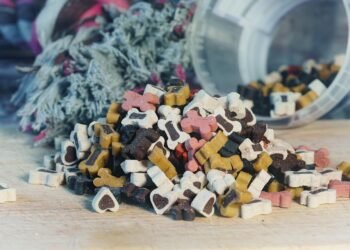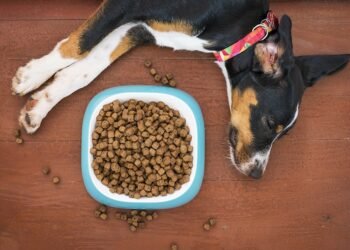



















As dogs age, they may start to lose teeth due to various reasons such as dental disease or natural wear and tear. This can make it challenging for senior dogs to eat their regular kibble or hard food. In such cases, it is essential to provide them with soft and savory food options that are easy to chew and digest. Choosing the right food for senior dogs with no teeth can help improve their quality of life and ensure they are getting the nutrition they need.
Key Takeaways
- Soft and savory food is ideal for senior dogs with no teeth.
- Look for food with a soft texture that is easy to chew and digest.
- Consider feeding your senior dog wet food or homemade meals.
- Consult with your veterinarian for personalized dietary recommendations.
Choosing the Right Soft Food
When selecting soft food for your senior dog with no teeth, opt for options that are specifically designed for easy chewing and digestion. Look for wet food varieties that have a soft texture and are formulated to meet the nutritional needs of senior dogs. You can also consider preparing homemade meals for your furry friend, ensuring they are soft and easy to eat.
Benefits of Soft and Savory Food
Soft and savory food can provide numerous benefits for senior dogs with no teeth. These types of food are gentle on the gums and easy to chew, making mealtime more enjoyable for your furry companion. Additionally, soft food options are often more palatable, encouraging senior dogs to eat and maintain a healthy weight.
Feeding Tips for Senior Dogs
When feeding senior dogs with no teeth, it is important to monitor their eating habits and ensure they are getting an adequate amount of nutrients. Divide their meals into smaller portions throughout the day to prevent overloading their digestive system. You can also add supplements such as probiotics or omega-3 fatty acids to support their overall health.
Consulting with Your Veterinarian
Before making any dietary changes for your senior dog with no teeth, consult with your veterinarian. They can provide personalized recommendations based on your dog’s specific needs and health conditions. Your vet may suggest a special diet or additional supplements to ensure your furry friend is receiving all the essential nutrients they require.
FAQ
1. What are the best protein sources for senior dogs with no teeth?
For senior dogs with no teeth, it is essential to choose soft protein sources such as cooked chicken, turkey, or fish. These options are easy to chew and digest, providing your furry friend with the necessary protein for muscle maintenance and overall health.
2. Can I mix soft food with dry kibble for my senior dog with no teeth?
It is not recommended to mix soft food with dry kibble for senior dogs with no teeth, as the hard texture of the kibble can be difficult for them to chew. It is best to stick to soft food options that are easy for your furry friend to consume without causing any discomfort.
3. How often should I feed my senior dog with no teeth?
Senior dogs with no teeth may require more frequent meals throughout the day to ensure they are getting enough nutrients. Divide their daily food intake into smaller portions and feed them multiple times a day to prevent digestive issues and maintain their energy levels.
4. Are there any specific dental care tips for senior dogs with no teeth?
Even though senior dogs may have lost their teeth, it is still important to maintain their oral hygiene. You can use dental wipes or special dental chews designed for dogs with no teeth to help keep their gums healthy and prevent dental issues. Regular dental check-ups with your veterinarian are also recommended.