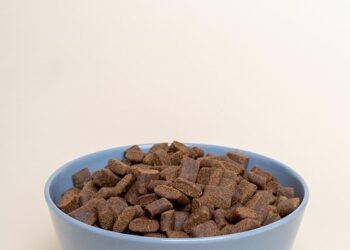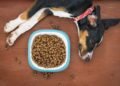




















Obesity in dogs is a common issue that can lead to various health problems such as diabetes, heart disease, and joint issues. Just like in humans, maintaining a healthy weight is essential for a dog’s overall well-being. One of the key factors in managing a dog’s weight is providing the right nutrition through a balanced diet. In this comprehensive guide, we will explore the best dog food options for weight loss to help your furry friend stay trim and healthy.
Key Takeaways
- Choose high-protein, low-fat dog food for weight loss.
- Avoid fillers and artificial additives in your dog’s diet.
- Monitor portion sizes and avoid overfeeding your dog.
- Regular exercise is crucial for weight management in dogs.
1. Importance of High-Protein, Low-Fat Dog Food
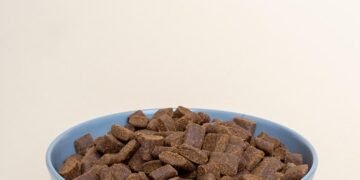
When it comes to weight loss in dogs, the quality of the food they consume plays a significant role. Opting for high-protein, low-fat dog food can help your pet feel satisfied while reducing their calorie intake. Look for brands that list a lean protein source as the first ingredient and avoid products with excessive fillers and artificial additives.
2. Portion Control and Feeding Schedule
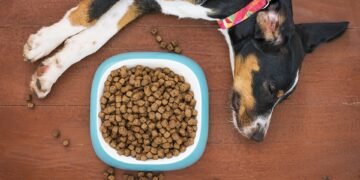
Controlling your dog’s portions is crucial for weight management. Consult with your veterinarian to determine the appropriate portion size for your dog based on their size, breed, and activity level. Establish a feeding schedule and avoid free-feeding to prevent overeating. Using a measuring cup to portion out meals can help you accurately monitor your dog’s food intake.
3. Regular Exercise and Activity
In addition to a balanced diet, regular exercise is essential for maintaining a healthy weight in dogs. Make sure your pet gets enough physical activity each day through walks, playtime, and interactive toys. Engaging in activities together not only helps with weight management but also strengthens the bond between you and your furry companion.
4. Seeking Veterinary Guidance
If you’re unsure about the best approach to helping your dog lose weight, don’t hesitate to seek guidance from your veterinarian. They can provide personalized recommendations based on your dog’s specific needs and monitor their progress over time. Regular check-ups are important to ensure that your pet is on the right track to achieving a healthy weight.
FAQ
Q: How can I tell if my dog is overweight?
A: You can assess your dog’s weight by feeling their ribs and waistline. If you have trouble feeling their ribs or notice a lack of a defined waist, your dog may be overweight.
Q: Can I give my dog human food for weight loss?
A: It’s best to stick to dog-specific weight loss food to ensure your pet gets the necessary nutrients in the right proportions. Human food may not provide the balanced diet your dog needs.
Q: How long does it take for a dog to lose weight?
A: The rate of weight loss in dogs varies depending on factors such as their starting weight, diet, and activity level. It’s important to focus on gradual, sustainable weight loss to avoid health complications.
Q: Are there specific breeds more prone to obesity?
A: Certain dog breeds, such as Labrador Retrievers and Beagles, are more prone to obesity due to their genetics and tendency to overeat. It’s important to monitor their weight and adjust their diet accordingly.