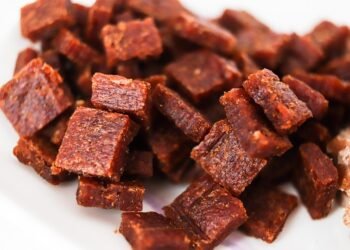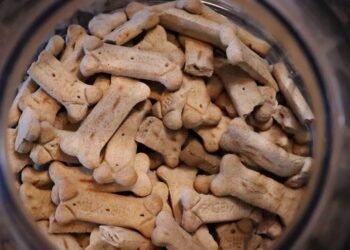























Dogs are not just pets; they are members of our families. As pet owners, we always want to provide the best care for our furry friends, including their diet. One way to ensure your dog is getting nutritious and delicious treats is by making them at home. Homemade dog treats can be a great option for pet parents who want to control the ingredients and avoid fillers like flour. In this article, we will explore vet-approved recipes for healthy homemade dog treats that will keep your pup happy and healthy.
Key Takeaways
- Homemade dog treats can provide a healthier alternative to store-bought options.
- Avoiding flour in dog treats can be beneficial for dogs with sensitivities or allergies.
- Vet-approved recipes ensure that your dog is getting the right nutrients in their treats.
- Experiment with different ingredients to find what works best for your dog’s taste preferences.
The Benefits of Homemade Dog Treats
Homemade dog treats offer several advantages over commercial options. By making treats at home, you have control over the quality of ingredients, ensuring that your dog is not consuming any harmful additives or preservatives. Additionally, homemade treats can be tailored to your dog’s specific dietary needs, making them a great option for pups with food sensitivities or allergies.
Flour-Free Recipes for Dogs
Many dogs have sensitivities to wheat or gluten, making flour-free recipes a popular choice among pet owners. Instead of using traditional flour, you can opt for alternative ingredients like oats, coconut flour, or sweet potatoes to create delicious and nutritious treats for your pup. These recipes are easy to make and can be a healthier option for dogs with dietary restrictions.
Choosing Vet-Approved Ingredients
When selecting ingredients for homemade dog treats, it’s essential to choose vet-approved options that are safe and nutritious for your furry friend. Ingredients like lean meats, fruits, vegetables, and certain grains can provide essential nutrients while keeping your dog’s taste buds happy. Avoid using ingredients that are toxic to dogs, such as chocolate, raisins, or xylitol, and always consult with your vet if you are unsure about a particular ingredient.
Storage and Portion Control
Once you have made a batch of homemade dog treats, proper storage is key to maintaining their freshness and quality. Store treats in an airtight container in a cool, dry place to prevent them from spoiling. Additionally, be mindful of portion control when giving treats to your dog. While it’s tempting to indulge your pup, overfeeding can lead to weight gain and other health issues. Remember that treats should make up only a small portion of your dog’s overall diet.
FAQ
Can I use peanut butter in homemade dog treats?
Peanut butter can be a tasty and nutritious ingredient in homemade dog treats, but make sure to use natural peanut butter without added sugars or xylitol, which can be toxic to dogs.
Are there any fruits or vegetables I should avoid in dog treats?
While many fruits and vegetables are safe for dogs, some like grapes, onions, and avocado can be toxic to them. Always research the safety of a particular ingredient before including it in your dog’s treats.
How often should I give my dog homemade treats?
Treats should make up no more than 10% of your dog’s daily caloric intake. Be mindful of your dog’s overall diet and adjust treat portions accordingly to avoid overfeeding.
Can I customize homemade dog treats for my dog’s specific dietary needs?
Absolutely! Homemade dog treats are highly customizable, allowing you to tailor them to your dog’s preferences and dietary requirements. Consult with your vet if you have concerns about specific ingredients or recipes.