


















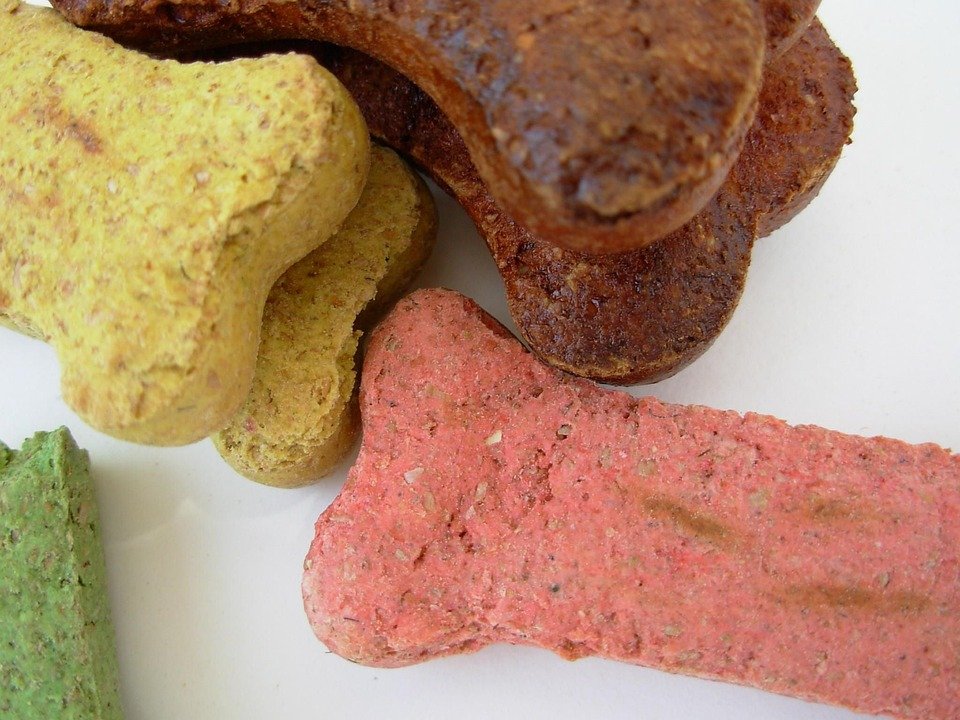
Dogs are beloved members of our families, and just like us, they need proper nutrition to stay healthy and happy. While it may be tempting to share our meals with our furry friends, not all human foods are safe for dogs to consume. In this guide, we will explore the do’s and don’ts of dining for dogs to ensure they are getting the nutrition they need without putting their health at risk.
Key Takeaways
- Always consult with your veterinarian before making any changes to your dog’s diet.
- Avoid feeding your dog chocolate, grapes, raisins, onions, garlic, and foods high in fat or salt.
- Provide your dog with a balanced diet that includes high-quality dog food, fresh water, and occasional treats.
- Monitor your dog’s weight and adjust their food intake as needed to maintain a healthy weight.
1. Choosing the Right Food
When it comes to feeding your dog, quality matters. Look for high-quality dog food that is appropriate for your dog’s age, size, and activity level. Avoid feeding your dog table scraps or leftovers, as these may not provide the balanced nutrition that your dog needs. Consult with your veterinarian to determine the best diet for your dog.
2. Avoid Harmful Foods
There are several foods that are toxic to dogs and should be avoided at all costs. These include chocolate, grapes, raisins, onions, garlic, and foods that are high in fat or salt. These foods can cause serious health problems for dogs, including kidney failure, pancreatitis, and even death. Be sure to keep these foods out of reach of your dog at all times.
3. Monitor Portion Sizes
It’s important to monitor your dog’s portion sizes to prevent obesity and other health issues. Follow the feeding guidelines provided on your dog’s food packaging, and adjust the amount based on your dog’s age, weight, and activity level. Avoid overfeeding your dog, as this can lead to weight gain and other health problems.
4. Provide Fresh Water and Occasional Treats
In addition to a balanced diet, make sure your dog has access to fresh water at all times. Hydration is key to your dog’s overall health and well-being. You can also offer your dog occasional treats, but be mindful of the portion sizes and choose treats that are safe for dogs to consume.
FAQ
Can I feed my dog table scraps?
It’s best to avoid feeding your dog table scraps, as they may not provide the balanced nutrition that your dog needs. Stick to high-quality dog food recommended by your veterinarian.
What should I do if my dog eats something toxic?
If you suspect that your dog has ingested something toxic, contact your veterinarian or an emergency animal hospital immediately. Time is of the essence in these situations.
How can I tell if my dog is overweight?
You can tell if your dog is overweight by feeling their ribs and looking for a visible waistline. If you are unsure, consult with your veterinarian for guidance on weight management.
Is it okay to give my dog bones to chew on?
Avoid giving your dog bones to chew on, as they can splinter and cause choking hazards or internal injuries. Opt for safer chew toys designed for dogs instead.