





















Welcome to “Beyond the Bowl: Exploring Safe and Healthy Foods for Your Pup,” a comprehensive guide to help you provide the best nutrition for your furry friend. As pet owners, we want to ensure that our dogs are getting the proper nutrients they need to thrive and live a healthy life. This article will delve into the world of dog food, exploring safe and healthy options for your pup.
Key Takeaways
- Choose high-quality dog food that meets your pup’s specific needs.
- Avoid feeding your dog toxic foods like chocolate, grapes, and onions.
- Consult with your veterinarian for personalized dietary recommendations.
- Consider incorporating fresh fruits and vegetables into your dog’s diet for added nutrition.
Understanding Your Dog’s Nutritional Needs
Just like humans, dogs require a balanced diet to maintain their health and well-being. This includes a mix of protein, carbohydrates, fats, vitamins, and minerals. When selecting a dog food for your pup, it’s essential to consider their age, size, activity level, and any specific health concerns they may have. Look for high-quality dog food that is formulated to meet your dog’s unique nutritional requirements.
Choosing the Right Dog Food
When it comes to choosing the right dog food for your pup, quality matters. Opt for reputable brands that use real meat as the primary ingredient and avoid fillers like corn, wheat, and soy. Consider your dog’s age and size when selecting the appropriate formula, whether it’s puppy, adult, or senior. Additionally, look for dog food that is AAFCO (Association of American Feed Control Officials) certified to ensure that it meets nutritional standards.
Incorporating Fresh Foods into Your Dog’s Diet
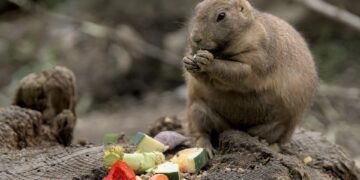
In addition to commercial dog food, consider supplementing your dog’s diet with fresh fruits and vegetables. These can provide additional nutrients and variety to their meals. Some safe options include apples, carrots, and green beans. Be sure to introduce new foods gradually and monitor your dog for any signs of allergies or digestive upset.
Avoiding Toxic Foods for Dogs
It’s important to be aware of foods that are toxic to dogs and should never be fed to them. Some common examples include chocolate, grapes, onions, garlic, and xylitol (a sweetener often found in sugar-free products). These foods can be harmful or even fatal to dogs, so it’s crucial to keep them out of reach.
FAQ
Can I feed my dog table scraps?
While it may be tempting to share your food with your dog, table scraps are not recommended as they can be high in fat, salt, and other ingredients that may be harmful to your pup. Stick to a balanced diet of high-quality dog food to ensure your dog’s nutritional needs are met.
How often should I feed my dog?
The frequency of feeding your dog will depend on their age, size, and activity level. Puppies may require more frequent meals, while adult dogs can typically be fed twice a day. Consult with your veterinarian for personalized feeding recommendations.
Is a grain-free diet necessary for dogs?
While some dogs may benefit from a grain-free diet, it’s not necessary for all dogs. Grain-free diets have been linked to certain health concerns, so it’s essential to consult with your vet before making any changes to your dog’s diet.
Can I give my dog homemade food?
While homemade dog food can be a healthy option, it’s important to ensure that it meets all of your dog’s nutritional needs. Consult with a veterinary nutritionist to create a balanced homemade diet for your pup.