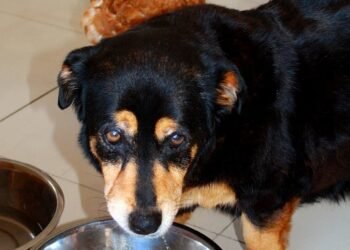
























As our beloved canine companions age, their nutritional needs change. Just like humans, senior dogs require a diet that supports their overall health and well-being. Choosing the right food for your aging pup is crucial in ensuring they maintain a healthy weight, energy levels, and mobility. In this comprehensive guide, we will explore the best food options for senior dogs to help you make informed decisions about your furry friend’s diet.
Key Takeaways
- Senior dogs have unique nutritional needs that require special consideration.
- Look for dog food formulated specifically for senior dogs, with added joint support and fewer calories.
- Consult with your veterinarian to determine the best diet plan for your senior pup.
- Consider incorporating fresh, whole foods into your dog’s diet for added nutrients.
1. Understanding Senior Dog Nutrition
As dogs age, their metabolism slows down, and they may become less active. This means they require fewer calories to maintain a healthy weight. Senior dogs also have specific nutritional needs, such as increased fiber for digestive health and joint support to prevent age-related mobility issues. When choosing a food for your senior pup, look for options that are lower in calories but still provide essential nutrients like protein, vitamins, and minerals.
2. Choosing the Right Food for Senior Dogs
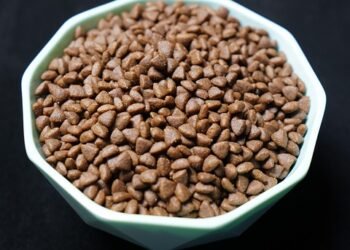
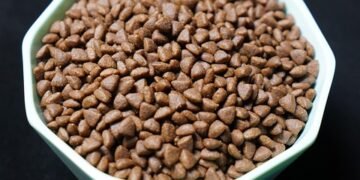
When selecting a food for your senior dog, opt for formulas specifically designed for aging dogs. These foods are typically lower in calories and fat, making them ideal for less active senior pups. Look for ingredients like glucosamine and chondroitin for joint health, as well as antioxidants to support overall immune function. Additionally, consider the size of the kibble – smaller pieces may be easier for older dogs to chew and digest.
3. Incorporating Fresh Foods Into Your Dog’s Diet
In addition to commercial dog food, consider adding fresh, whole foods to your senior dog’s diet. Lean proteins like chicken or turkey, as well as fruits and vegetables, can provide added nutrients and variety to their meals. Just be sure to avoid foods that are toxic to dogs, such as grapes, onions, and chocolate. Consult with your vet to determine which fresh foods are safe and beneficial for your senior pup.
4. Consulting with Your Veterinarian
Before making any changes to your senior dog’s diet, it’s important to consult with your veterinarian. They can provide personalized recommendations based on your dog’s specific health needs and dietary requirements. Your vet may also recommend supplements to address any deficiencies in your dog’s diet. Regular check-ups can help ensure your senior pup is receiving the best nutrition possible for their age and health status.
FAQ
Q: How often should I feed my senior dog?
A: Senior dogs may benefit from smaller, more frequent meals to aid digestion and maintain energy levels. Consult with your veterinarian to determine the best feeding schedule for your aging pup.
Q: Are grain-free diets suitable for senior dogs?
A: While grain-free diets have gained popularity, there is no conclusive evidence that they are better for senior dogs. It’s important to focus on the overall quality of the ingredients in your dog’s food rather than whether it is grain-free or not.
Q: Should I consider a weight management formula for my senior dog?
A: If your senior dog is overweight or has mobility issues, a weight management formula may be beneficial. These foods are lower in calories and can help your dog maintain a healthy weight and reduce strain on their joints.
Q: Can I mix wet and dry food for my senior dog?
A: Mixing wet and dry food can provide variety for your senior dog and help increase their water intake. Just be mindful of the overall calorie content to prevent overfeeding.