

























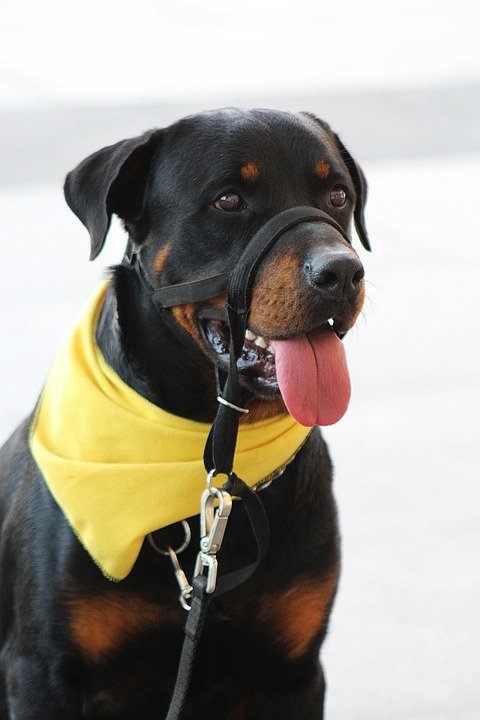
Dogs are wonderful companions, but sometimes they can exhibit aggressive behavior that can be challenging for pet owners to manage. Understanding the root causes of aggression in dogs and implementing effective training solutions can help address and modify this behavior. Local training solutions tailored to your dog’s specific needs can make a significant difference in curbing aggression and fostering a harmonious relationship with your furry friend.
Key Takeaways
- Recognize the signs of aggression in your dog
- Seek professional help for severe cases
- Implement positive reinforcement training techniques
- Consistency and patience are key in addressing aggression
Understanding Canine Aggression
Canine aggression can manifest in various forms, including growling, snarling, snapping, or biting. It is essential to recognize the signs of aggression early on to address them effectively. Aggression in dogs can be triggered by fear, territoriality, possessiveness, or frustration. By understanding the underlying cause of your dog’s aggression, you can tailor your training approach to address the specific behavior.
Local Training Solutions
Local dog trainers can provide personalized solutions to address your dog’s aggression. They can assess your dog’s behavior, identify triggers, and create a customized training plan to modify aggressive tendencies. Training sessions may include desensitization exercises, behavior modification techniques, and socialization activities to help your dog overcome aggression in a controlled environment.
Positive Reinforcement Techniques
Positive reinforcement training methods involve rewarding desired behaviors to encourage their repetition. When dealing with canine aggression, rewarding calm and non-aggressive behavior can help reinforce positive habits. Treats, toys, and verbal praise can be used as rewards to incentivize good behavior and redirect your dog’s focus away from aggressive tendencies.
Consistency and Patience
Consistency is crucial in addressing canine aggression. Establish clear rules and boundaries for your dog, and ensure that all family members and caregivers follow the same training protocols. Patience is also key, as modifying behavior takes time and effort. Stay committed to your dog’s training regimen and remain patient as you work towards reducing aggression and fostering a peaceful coexistence.
FAQ
Q: How can I differentiate between aggressive behavior and playfulness in my dog?
A: Aggressive behavior in dogs is often accompanied by body language cues such as stiff posture, raised hackles, and bared teeth. Playful behavior, on the other hand, is typically loose and relaxed, with wagging tails and inviting gestures. It’s essential to observe your dog’s overall demeanor and context to distinguish between aggression and playfulness.
Q: When should I seek professional help for my dog’s aggression?
A: If your dog’s aggression poses a serious threat to people or other animals, or if you have tried various training methods without success, it may be time to seek professional help. Certified dog behaviorists or trainers with experience in aggression management can provide specialized assistance tailored to your dog’s specific needs.
Q: Can aggression in dogs be completely eliminated through training?
A: While training can help modify and manage aggressive behavior in dogs, complete elimination of aggression is not always guaranteed. Some dogs may have underlying medical or genetic factors that contribute to their aggression. However, with consistent training and behavioral interventions, significant improvement can be achieved in most cases.
Q: How can I prevent aggression in my dog from escalating during training sessions?
A: To prevent aggression from escalating during training, it’s essential to create a safe and controlled environment. Start training in a quiet and familiar setting, away from potential triggers. Use positive reinforcement techniques and keep training sessions short and engaging to maintain your dog’s focus and prevent frustration or aggression from escalating.