














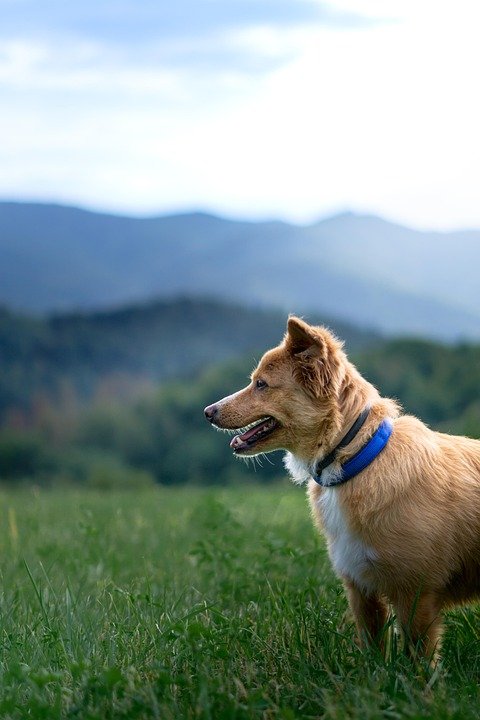
As a pet owner, ensuring the well-being of your furry friend is paramount. For active pups who love to explore the great outdoors, protecting their paws is essential. Dog shoes can provide the necessary protection from rough terrain, extreme weather conditions, and harmful substances. Finding the best dog shoes for your pup can be a daunting task, so we have compiled a comprehensive guide to help you make an informed decision.
Key Takeaways
- Choose dog shoes with durable, non-slip soles to provide traction and protect your pup’s paws.
- Ensure proper fit by measuring your dog’s paws and selecting the right size according to the manufacturer’s guidelines.
- Consider the material of the dog shoes for breathability and water resistance.
- Gradually introduce your dog to wearing shoes to help them get accustomed to the feeling.
1. Importance of Dog Shoes
Active pups are prone to injuries such as cuts, abrasions, and burns on their paws while walking or running on rough surfaces. Dog shoes act as a protective barrier between your pup’s paws and the ground, preventing injuries and discomfort. Additionally, dog shoes can protect your pup’s paws from extreme temperatures, hot pavement, ice, snow, and harmful substances like chemicals or sharp objects.
2. Choosing the Right Dog Shoes
When selecting dog shoes for your active pup, consider factors such as size, fit, material, and sole design. Measure your dog’s paws according to the manufacturer’s guidelines to ensure a proper fit. Look for dog shoes with adjustable straps or closures to secure them comfortably on your pup’s paws. Opt for breathable and water-resistant materials like neoprene or rubber for comfort and protection in various weather conditions. Choose dog shoes with durable, non-slip soles to provide traction and stability for your pup.
3. Training Your Dog to Wear Shoes
Introducing your dog to wearing shoes can be a gradual process to help them get used to the sensation. Start by allowing your dog to sniff and investigate the shoes before gently placing them on their paws for short periods. Use positive reinforcement such as treats and praise to create a positive association with wearing shoes. Gradually increase the duration of wearing shoes indoors before venturing outside for walks or hikes. Monitor your dog’s comfort level and adjust the fit or style of the shoes if needed.
4. Maintaining and Monitoring Dog Shoes
Regularly inspect your dog’s shoes for wear and tear, loose straps, or signs of discomfort. Clean the shoes as needed to remove dirt, debris, and bacteria that can cause irritation or infection. Replace worn-out or damaged dog shoes to maintain optimal protection for your pup’s paws. Monitor your dog’s behavior and paw health while wearing shoes to ensure they are comfortable and safe during outdoor activities.
FAQ
Q: How do I measure my dog’s paws for the right size of dog shoes?
A: To measure your dog’s paws, place their paw on a piece of paper and trace the outline. Measure the length and width of the paw and compare it to the manufacturer’s sizing chart to determine the appropriate size of dog shoes.
Q: Can I leave dog shoes on my pup all day?
A: It is not recommended to leave dog shoes on your pup all day as they may need breaks to allow their paws to breathe and rest. Monitor your dog’s comfort level and remove the shoes if they show signs of discomfort or irritation.
Q: How do I clean my dog’s shoes?
A: You can clean your dog’s shoes by hand washing them with mild soap and water. Allow the shoes to air dry completely before putting them back on your pup. Avoid using harsh chemicals or high heat to clean the shoes as it may damage the material.
Q: Are there different types of dog shoes for specific activities?
A: Yes, there are specialized dog shoes for activities such as hiking, running, swimming, and winter sports. Choose dog shoes that are designed for the specific activity to provide the best protection and performance for your pup.