






















Dogs are not just pets; they are part of the family. As a responsible pet owner, one of the most important decisions you can make for your growing pup is choosing the right food. The food you feed your dog plays a crucial role in their overall health and well-being. With so many options available in the market, it can be overwhelming to pick the best dog food for your furry friend. This guide will help you navigate through the various factors to consider when selecting the perfect food for your growing pup.
Key Takeaways
- Consider your dog’s age, breed, size, and activity level when choosing food.
- Look for high-quality ingredients such as real meat, vegetables, and whole grains.
- Avoid artificial additives, fillers, and by-products in your dog’s food.
- Consult with your veterinarian to determine the best diet plan for your growing pup.
1. Understanding Your Dog’s Nutritional Needs
Just like humans, dogs have specific nutritional requirements based on their age, breed, size, and activity level. Puppies, for example, require more protein and calories to support their growth and development. Large breed puppies have different nutritional needs compared to small breed puppies. Understanding your dog’s nutritional needs is the first step in choosing the best food for them.
2. Reading Dog Food Labels
When shopping for dog food, it’s essential to read and understand the ingredients listed on the label. Look for high-quality ingredients such as real meat (chicken, beef, lamb), vegetables, fruits, and whole grains. Avoid foods that contain artificial additives, fillers, by-products, and excessive amounts of preservatives. The first few ingredients listed on the label should be sources of protein, not fillers.
3. Considering Your Dog’s Specific Dietary Requirements
Some dogs may have specific dietary requirements due to allergies, sensitivities, or health conditions. Grain-free, limited ingredient, or hypoallergenic diets may be necessary for dogs with food sensitivities. Consult with your veterinarian to determine if your dog has any specific dietary needs and to get recommendations for the best food options.
4. Choosing Between Dry, Wet, or Raw Food
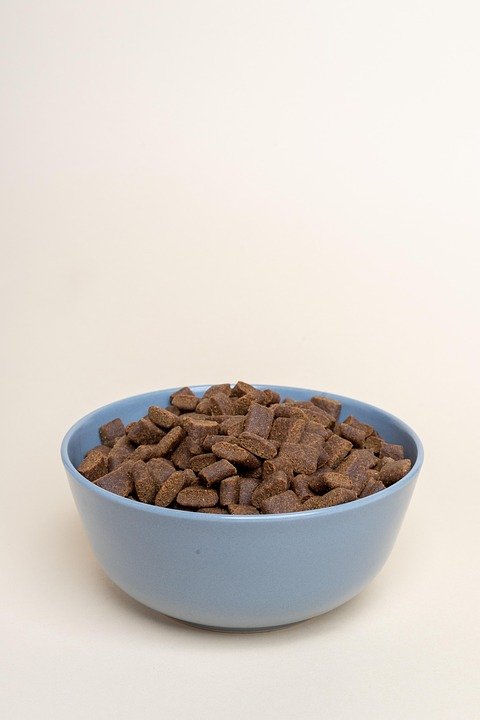
There are different types of dog food available, including dry kibble, canned wet food, and raw food diets. Each type has its pros and cons, and the best choice depends on your dog’s preferences and nutritional needs. Dry kibble is convenient and helps keep your dog’s teeth clean, while wet food can be more palatable for picky eaters. Raw food diets are gaining popularity but require careful handling to prevent foodborne illnesses.
FAQ
1. How often should I feed my growing pup?
Growing puppies should be fed multiple times a day to support their growth and energy needs. Consult with your veterinarian for a specific feeding schedule based on your dog’s age and breed.
2. Can I give my dog human food as part of their diet?
While some human foods are safe for dogs, it’s essential to avoid feeding them foods that are toxic or harmful. Consult with your veterinarian before incorporating any human food into your dog’s diet.
3. Should I choose grain-free dog food for my puppy?
Grain-free dog food has become popular in recent years, but it’s not necessary for all dogs. Consult with your veterinarian to determine if a grain-free diet is suitable for your puppy based on their individual needs.
4. How can I tell if my dog is allergic to their food?
Signs of food allergies in dogs may include itching, skin rashes, digestive issues, and ear infections. If you suspect your dog is allergic to their food, consult with your veterinarian for allergy testing and dietary recommendations.