
























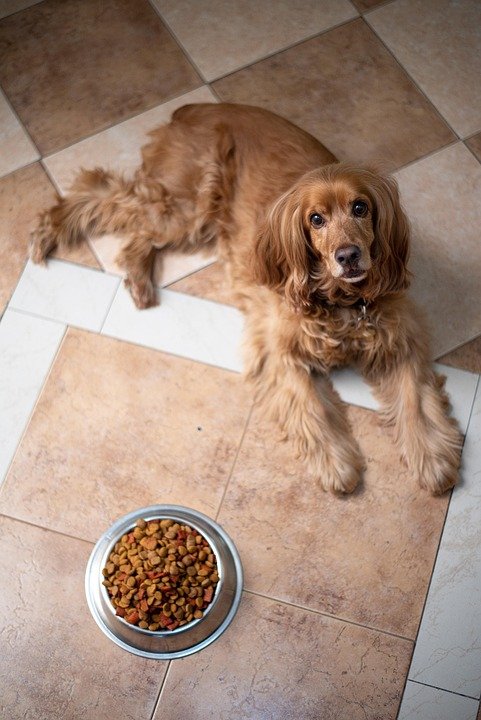
As our furry friends age, their nutritional needs change, and it’s important to provide them with a diet that supports their aging bodies. Senior pups require nutrient-rich cuisine to maintain their health and vitality. In this article, we will explore some top picks for nutrient-rich food options that are ideal for senior dogs.
Key Takeaways
- Senior dogs have different nutritional needs than younger dogs.
- Nutrient-rich cuisine can help support the health and vitality of senior pups.
- Consult with your veterinarian to determine the best diet for your senior dog.
- Look for high-quality ingredients and avoid fillers and by-products in your dog’s food.
1. Importance of Nutrient-Rich Cuisine
As dogs age, their metabolism slows down, and they may become less active. This means that they require fewer calories but still need a diet that is rich in essential nutrients to support their aging bodies. Nutrient-rich cuisine can help senior dogs maintain a healthy weight, support their immune system, and promote overall well-being.
2. Top Picks for Senior Dog Food
When choosing food for your senior pup, look for options that are specifically formulated for older dogs. These foods are typically lower in calories and fat, with added nutrients such as glucosamine and chondroitin for joint health. Some top picks for nutrient-rich senior dog food include brands like Hill’s Science Diet, Royal Canin, and Blue Buffalo.
3. Homemade Diet Options
If you prefer to feed your senior dog a homemade diet, it’s important to consult with a veterinarian or canine nutritionist to ensure that their nutritional needs are being met. Homemade diets should include a balance of protein, carbohydrates, and healthy fats, as well as vitamins and minerals. Some nutrient-rich ingredients to include in a homemade senior dog diet are lean proteins like chicken or turkey, whole grains like brown rice, and vegetables like sweet potatoes and green beans.
4. Supplementing Your Senior Dog’s Diet
In addition to a nutrient-rich diet, senior dogs may benefit from supplements that support their joint health, cognitive function, and overall well-being. Glucosamine and chondroitin are commonly used to support joint health, while omega-3 fatty acids can help promote healthy skin and coat. Consult with your veterinarian before adding any supplements to your senior dog’s diet to ensure they are safe and appropriate for your pet.
FAQ
Q: How do I know if my senior dog needs a different diet?
A: If your senior dog is experiencing weight gain or loss, has a decreased appetite, or is showing signs of joint stiffness, it may be time to switch to a nutrient-rich diet specifically formulated for older dogs.
Q: Can I transition my senior dog to a new diet gradually?
A: Yes, it’s important to transition your senior dog to a new diet slowly to avoid upsetting their digestive system. Mix small amounts of the new food with their current food over a period of 7-10 days until they are fully transitioned to the new diet.
Q: Should I consult with my veterinarian before changing my senior dog’s diet?
A: Yes, it’s always a good idea to consult with your veterinarian before making any changes to your senior dog’s diet. They can provide guidance on the best food options for your pet based on their individual needs.
Q: How can I ensure that my senior dog is getting all the nutrients they need?
A: To ensure that your senior dog is getting all the nutrients they need, choose a high-quality senior dog food that is specifically formulated for older dogs. You can also supplement their diet with nutrient-rich ingredients like lean proteins, whole grains, and vegetables.