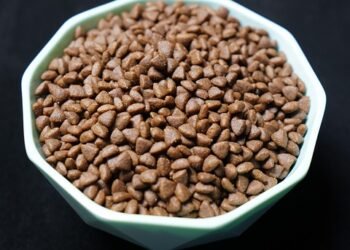





















Dogs are known as man’s best friend for a reason. They provide us with unconditional love, companionship, and endless joy. As pet owners, it is our responsibility to ensure that our furry friends are well taken care of, and one of the most important aspects of their care is providing them with the best dog food possible. The right nutrition is crucial for a dog’s overall health and well-being, and can have a significant impact on their energy levels, coat condition, and longevity.
Key Takeaways
- Choosing the best dog food for your puppy is crucial for their overall health and well-being
- Look for dog foods that are high in protein and have real meat as the first ingredient
- Avoid dog foods with fillers, artificial preservatives, and colors
- Consult with your veterinarian to determine the best diet for your puppy’s specific needs
The Importance of Choosing the Best Dog Food
Feeding your puppy the best dog food is essential for their growth and development. Puppies require a diet that is rich in nutrients to support their rapid growth and development. Look for dog foods that are specifically formulated for puppies, as they contain the right balance of protein, fat, vitamins, and minerals to support your puppy’s health.
What to Look for in the Best Dog Food
When choosing the best dog food for your furry friend, it’s important to look for certain key ingredients. Real meat should be the first ingredient listed on the label, as dogs are carnivores by nature and require a diet that is high in protein. Avoid dog foods that contain fillers, artificial preservatives, and colors, as these can be harmful to your puppy’s health.
Consulting with Your Veterinarian
Every puppy is unique, and their nutritional needs may vary depending on their breed, age, size, and health condition. It’s important to consult with your veterinarian to determine the best diet for your puppy’s specific needs. Your vet can help you choose the right dog food and recommend any dietary supplements that may be beneficial for your puppy’s health.
Tips for Switching Your Puppy’s Food
If you decide to switch your puppy’s food, it’s important to do so gradually to avoid any digestive upset. Start by mixing a small amount of the new food with the old food, and gradually increase the ratio of the new food over a period of 7-10 days. Monitor your puppy for any signs of digestive issues, such as diarrhea or vomiting, and consult with your vet if you have any concerns.
FAQ
Q: How often should I feed my puppy?
A: Puppies should be fed 3-4 times a day, with meals spaced out evenly throughout the day to maintain their energy levels and support their growth and development.
Q: What are the signs that my puppy is not getting the right nutrition?
A: Signs that your puppy may not be getting the right nutrition include a dull coat, lack of energy, digestive issues, and slow growth. Consult with your vet if you have any concerns about your puppy’s diet.
Q: Can I feed my puppy homemade food instead of commercial dog food?
A: While homemade food can be a viable option for some pet owners, it’s important to ensure that your puppy is getting the right balance of nutrients. Consult with your vet to determine the best diet for your puppy’s specific needs.
Q: How can I tell if my puppy has food allergies?
A: Common signs of food allergies in puppies include itching, redness, and inflammation of the skin, as well as digestive issues such as diarrhea or vomiting. Consult with your vet if you suspect that your puppy may have food allergies.