























Senior Savor: The Ultimate Guide to Nourishing Your Aging Pup
Introduction
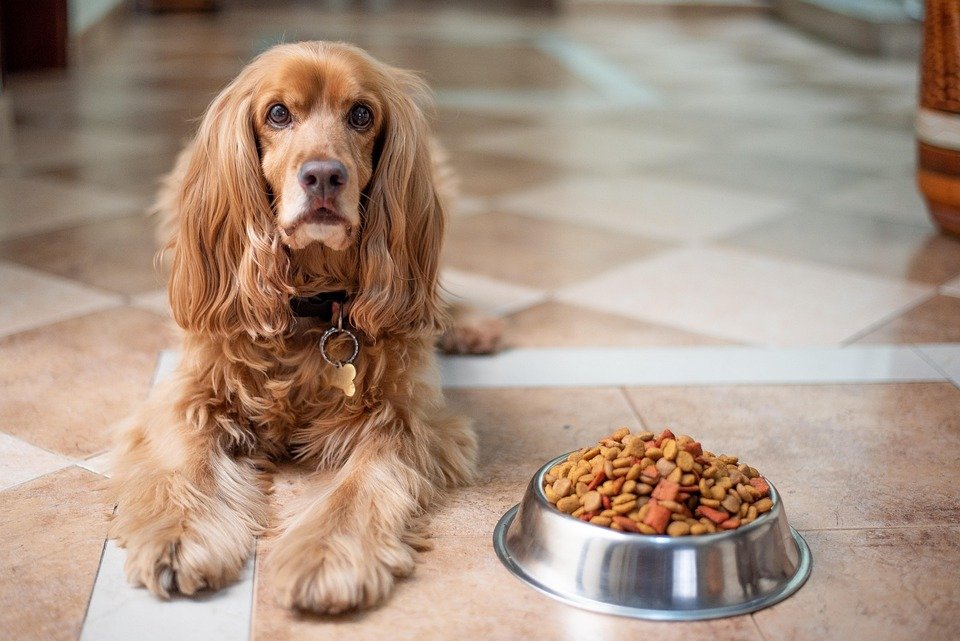
As our beloved furry friends age, their nutritional needs change. Just like humans, older dogs require a different diet to support their aging bodies and maintain their health and vitality. In this comprehensive guide, we will explore the best food options for older dogs and provide practical advice on how to nourish your aging pup with Senior Savor.
Understanding the Nutritional Needs of Senior Dogs
As dogs get older, their metabolism slows down, and they may become less active. This means that they require fewer calories to maintain a healthy weight. Additionally, senior dogs may experience changes in their digestive system, dental health, and immune function. It is important to choose a diet that supports their overall health and addresses these specific needs.
Key Nutrients for Senior Dogs
Some key nutrients that are important for senior dogs include:
- Protein: High-quality protein is essential for maintaining muscle mass and supporting overall health.
- Omega-3 fatty acids: These healthy fats can help reduce inflammation and support joint health in older dogs.
- Antioxidants: Antioxidants help support the immune system and protect against age-related diseases.
- Fiber: Adequate fiber is important for digestive health and can help prevent constipation in older dogs.
Choosing the Best Food for Older Dogs
When selecting food for your senior pup, it is important to look for options that are specifically formulated for older dogs. These diets are typically lower in calories and fat, higher in protein, and contain added nutrients to support joint health and cognitive function. Here are some tips for choosing the best food for your aging pup:
Look for Senior-Specific Formulas
Many pet food brands offer formulas specifically designed for senior dogs. These diets are formulated to meet the unique nutritional needs of older dogs and may contain added ingredients such as glucosamine and chondroitin for joint health.
Consider Your Dog’s Specific Health Needs
If your dog has specific health issues such as arthritis or dental problems, you may need to choose a diet that addresses these concerns. Consult with your veterinarian to determine the best food for your dog’s individual needs.
Avoid Foods with Excessive Fillers and Additives
When choosing a food for your senior dog, it is important to avoid options that contain excessive fillers, artificial colors, and preservatives. Look for foods with simple, high-quality ingredients that are easy for your dog to digest.
Feeding Your Senior Dog
Once you have selected the best food for your aging pup, it is important to establish a feeding routine that meets their nutritional needs while also taking into account any age-related changes in their appetite or digestion. Here are some tips for feeding your senior dog:
Monitor Your Dog’s Weight
As dogs age, their metabolism may slow down, making it easier for them to gain weight. Monitor your dog’s weight regularly and adjust their portion sizes as needed to maintain a healthy weight.
Feed Smaller, More Frequent Meals
Some older dogs may have trouble digesting large meals, so it may be helpful to feed them smaller, more frequent meals throughout the day. This can also help prevent digestive issues such as bloating or gas.
Provide Access to Fresh Water
Make sure your senior dog has access to fresh water at all times. Older dogs may be more prone to dehydration, so it is important to encourage them to drink water regularly.
Conclusion
As our furry friends age, it is important to provide them with a diet that supports their changing nutritional needs. Senior Savor offers a range of options specifically formulated for older dogs, with added nutrients to support joint health, cognitive function, and overall well-being. By choosing the best food for your aging pup and establishing a feeding routine that meets their individual needs, you can help ensure that they live a long, healthy, and happy life.